The lowest figure in a solar quote comparison can be tempting, particularly when electricity costs are high. But a solar system is not a like-for-like household appliance purchase. Two proposals with similar panel counts can produce very different results for generation, battery use, export income, reliability and long-term savings.
A useful quotation should make it clear what your property needs, what the system is expected to deliver and who remains responsible once it is generating. Price matters, of course. It just should not be the only number that decides the project.
Start with your energy use, not the panel count
A strong solar proposal begins with your electricity consumption. For a home, that means looking at annual use, daytime demand, evening use and changes you expect to make, such as buying an electric vehicle or replacing a boiler with a heat pump. For a business, it also means considering operating hours, peak demand and whether consumption changes by season.
Panel quantity alone tells only part of the story. A 4 kWp array may be a sensible fit for one roof and too small for another household with the same annual bill. Equally, fitting the largest possible system is not always the best value if much of its production will be exported at a lower rate than imported electricity costs.
Ask each installer how they have used your consumption data. If an estimate is based on assumptions rather than bills, meter readings or a meaningful discussion of your habits, treat the predicted savings with care.
Compare solar quotes on system design
The roof is a working part of the system, not simply a surface for panels. Its direction, pitch, shading, available area and structural condition influence what can be installed and how much electricity it can generate.
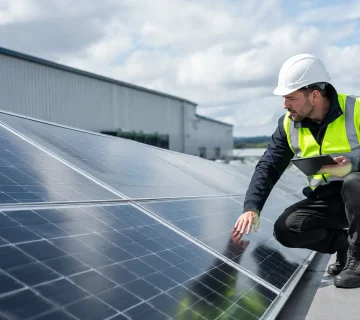
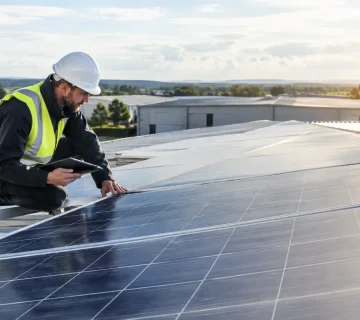
A detailed quote should identify the proposed panel model, number of panels, total system size in kWp, inverter model and mounting method. It should also explain where the equipment will sit. This matters when access is tight, roof sections face different directions or a commercial site needs work planned around staff, customers or production.
Look beyond the headline generation figure
Annual generation estimates are useful, but they are forecasts rather than guarantees. Weather varies, and every property uses energy differently. The important question is how the figure was produced.
Check whether the estimate accounts for shading from chimneys, trees, neighbouring buildings and roof features. Ask whether the proposed panel layout uses the best roof areas rather than simply the easiest places to install. On more complex roofs, optimisers or microinverters may be recommended to manage shade or panels facing different directions. They can add cost, so the quote should explain the expected benefit rather than present them as an automatic upgrade.
For commercial properties, request a view of generation alongside half-hourly or interval electricity data where available. A system that produces power while the building is active will usually offer stronger on-site savings than one designed around annual generation alone.
A solar quote comparison should include battery assumptions
Battery storage can help you use more of the electricity your panels generate, particularly in the evening. It may also allow charging at lower tariff periods and provide resilience features where the system is designed for them. However, batteries are not identical, and bigger is not automatically better.
Compare usable capacity rather than only the advertised capacity. Also check charging and discharging power, warranty terms, expected cycle life, round-trip efficiency and whether the battery can be expanded later. A battery with substantial capacity but limited output may not cover several high-demand appliances at once.
If backup power is important, ask precisely what happens during a power cut. Many solar and battery systems shut down for safety when the grid fails unless they include suitable backup equipment and an appropriately designed essential-load arrangement. “Backup ready” is not the same as whole-property backup.
The best battery size depends on your daytime surplus, overnight electricity use, tariff and future plans. A good installer will explain the trade-off between a smaller battery that cycles regularly and a larger one that may offer more flexibility but takes longer to justify financially.
Check what the price includes from start to finish
An incomplete quote can look competitive until essential work appears as an extra. Before comparing totals, establish whether each proposal includes survey, system design, scaffolding, installation, electrical work, commissioning, notifications, certification and monitoring set-up.
You should also know whether the quotation allows for upgrades that may be required after inspection. These can include consumer unit work, cabling routes, roof repairs, network application requirements or equipment needed for battery backup. Not every possible issue can be priced before a survey, but a transparent quotation separates confirmed costs from potential contingencies.
For a landlord, developer or commercial decision-maker, confirm who coordinates access, health and safety requirements, tenant communication and working hours. A carefully managed installation can reduce disruption just as effectively as a lower equipment price can reduce capital cost.
Treat savings and payback figures as scenarios
Savings projections are valuable when the assumptions are visible. Ask what electricity import rate, export rate, annual consumption and self-consumption level have been used. Find out whether the model includes likely future tariff changes, battery charging from the grid or income from exported generation.
Be cautious with a single payback promise. Your outcome will depend on weather, electricity prices, how you use the building and how consistently the system is maintained. A household that is empty during sunny weekdays may use less solar power directly than one with people working from home. A retailer with steady daytime demand may use a higher share on site.
Rather than looking for the shortest projected payback period, compare realistic scenarios. What does the system save if energy prices fall? What changes if you install an EV charger next year? Does a larger array still make sense if export payments are modest? These questions expose whether the system has been designed for your actual energy pattern.
Read warranties as carefully as specifications
A solar quote should distinguish between product warranties and workmanship cover. Panels, inverters, batteries and mounting systems may each have separate warranty periods and conditions. Panel performance warranties often run longer than the product warranty, so understand the difference.
Ask who manages a fault if one occurs. Will you deal directly with several manufacturers, or will the installer diagnose the issue, arrange a repair and explain the process? The answer matters because a system can only save money when it is operating as intended.
Monitoring is equally valuable. A monitoring platform lets you see production and consumption patterns, but it is worth asking whether someone reviews performance proactively, what support is available and whether there are ongoing charges. Shard Solar’s approach combines commissioning support with clear aftercare and warranty information, which helps customers understand where responsibility sits after installation.
Use the survey to test the installer, not just the roof
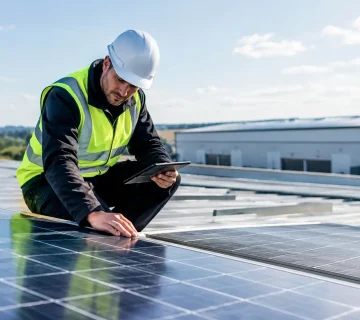
The survey is your opportunity to assess the quality behind the proposal. A capable surveyor will ask about your bills, future electricity needs, roof access, equipment location and priorities. They should be able to explain technical choices in plain language without making unrealistic claims.
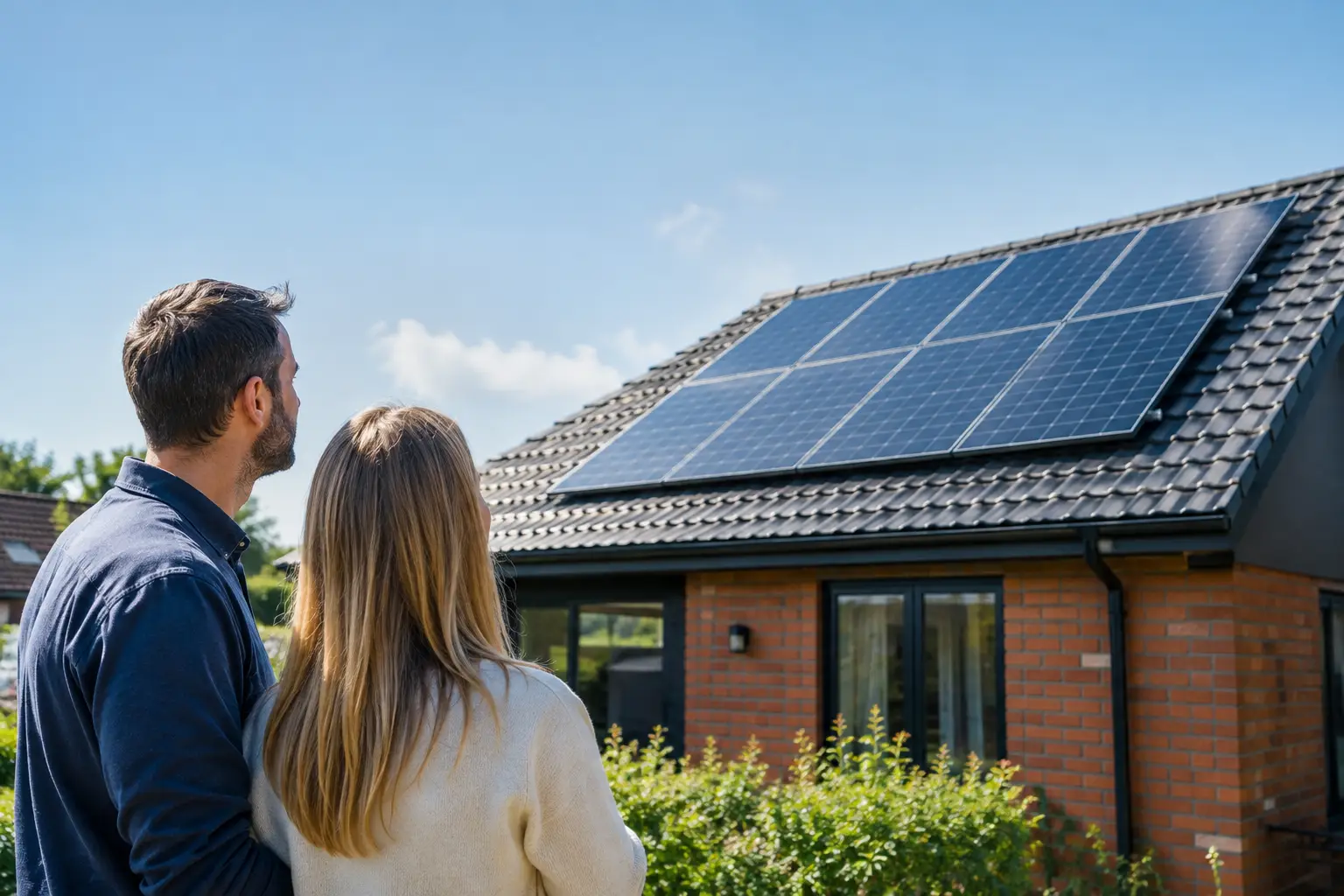
For homes in London and other built-up areas, access, shading and planning considerations can be particularly relevant. For commercial sites, the discussion should extend to operational risk, electrical capacity, programme planning and safe working arrangements.
It is reasonable to ask how long the installation will take, who will be on site and how the team will protect the property. Direct answers at this stage are a good indicator of how communication will work once the job begins.
Choose value you can verify
A solar system should make clean electricity practical for your property for many years, not merely make a quotation look attractive today. The right proposal is clear about system design, includes the work needed to deliver it safely and sets realistic expectations for savings and performance.
Put competing quotes side by side, ask each installer to explain the differences and give greater weight to evidence than to headline claims. When you can see how the design supports your energy use, you are in a far better position to choose a system that reduces costs, increases control and keeps generating value long after installation day.