A solar installation should not begin with a panel count. It should begin with a clear picture of the building, the way electricity is used and the outcome you want to achieve. Solar surveys provide that picture, turning an initial interest in lower bills and cleaner power into a system designed for the property rather than a generic estimate.
For a homeowner, that may mean finding the right balance between daytime generation and battery storage for evening use. For a landlord, developer or business, it can mean assessing several roofs, operational loads, tenant supply arrangements and the practical need to keep disruption to a minimum. The survey is where those details become a workable plan.
What happens during solar surveys?
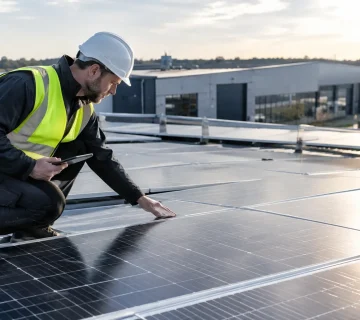
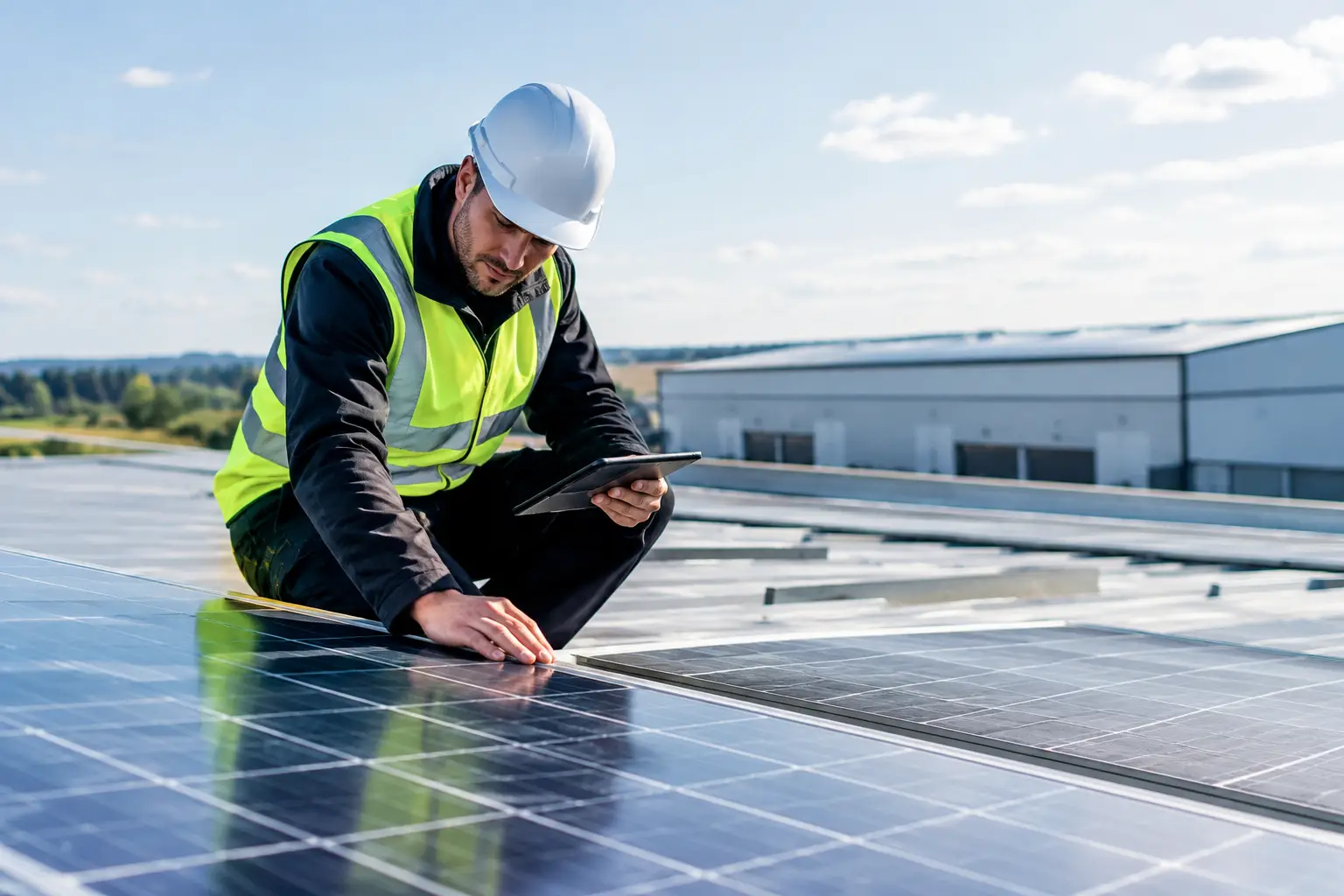
A professional survey is an assessment of both the physical site and its energy potential. It gives the designer the information needed to specify a photovoltaic system safely, accurately and with realistic performance expectations.
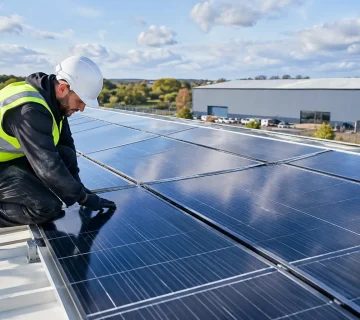
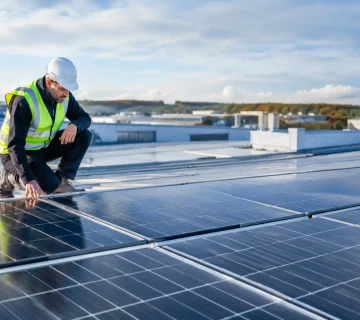
The roof is a major part of the visit, but it is not the only consideration. A surveyor will review its orientation, pitch, usable area, covering, condition and access. South-facing roofs often offer strong annual generation, but east-west arrays can also be an excellent choice, particularly where electricity use is spread across the morning and afternoon. On commercial premises, a flat roof may allow a larger array, although spacing, ballast, wind loading and maintenance access must all be considered.
Shading matters just as much. A chimney, dormer, neighbouring building or mature tree can affect output at particular times of day or year. Modern design software can model this, but accurate input from the site is essential. The aim is not simply to fit as many panels as possible. It is to position the array where it will produce useful electricity consistently over its working life.
The survey also examines the electrical side of the property. This includes the consumer unit or distribution board, meter location, available capacity, cable routes, earthing arrangements and space for equipment such as an inverter, battery and isolators. These details influence installation time, cost and the best route for a tidy, compliant finish.
Your energy use shapes the system
A roof can support a large solar array, yet the ideal system size still depends on demand. Reviewing electricity bills and half-hourly consumption data, where available, helps show when power is used and how much is likely to be used on site.
A household that is empty through the day may benefit from a battery that stores surplus solar generation for use after work. A home with an electric vehicle, heat pump or regular daytime occupancy may be able to use more of its solar electricity directly. Neither approach is automatically better. Battery storage adds upfront cost, but it can increase self-consumption, provide greater control over when stored energy is used and reduce reliance on higher-priced imported electricity.
For commercial properties, consumption patterns can be even more significant than roof size. A retailer with long opening hours, a hotel with constant demand or a food manufacturer with energy-intensive equipment may have a strong daytime load that aligns well with solar generation. A site with lower daytime demand may still be suitable, but the design may place greater emphasis on export, storage or a phased installation.
This is why a credible proposal should explain the assumptions behind estimated savings and generation. Weather varies, future tariffs change and energy use is not fixed. A survey-led design gives you realistic figures to make a confident decision, rather than promising a result that depends on perfect conditions.
The practical checks that protect your project
Some of the most valuable survey work is not immediately visible in the finished installation. Access is a good example. Surveyors need to establish how panels, mounting equipment and scaffolding can safely reach the roof, as well as how the installation team will work around occupants, customers or staff.
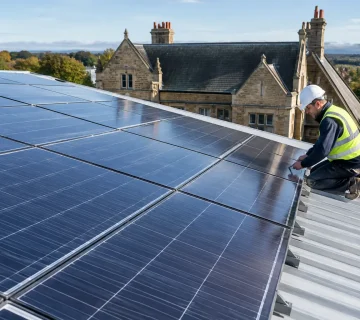
On a townhouse in London, restricted access, listed-building considerations or close neighbouring properties may affect the programme and design. At a warehouse or hospitality venue, the work may need to be scheduled around deliveries, guests or production. Identifying these factors early makes the project easier to plan and reduces the risk of unexpected changes once work has started.
Roof condition also deserves an honest discussion. Solar panels are long-term assets, so fitting them to a roof nearing the end of its useful life can create avoidable costs later. In some cases, roof repairs or replacement should happen first. That may delay the solar installation, but it is usually the sensible decision.
The survey may also identify opportunities beyond panels. Energy-efficient lighting, improved controls, an EV charger, electrical upgrades or battery storage can all affect how much value the property gets from its own generation. These are not compulsory additions. They should be considered where they suit the building’s use, budget and future plans.
From site visit to a clear quotation
A good survey should lead to a quotation that is easy to understand. It should set out the proposed system capacity, likely panel layout, inverter and battery specification where relevant, estimated generation, expected savings assumptions and the work included in the installation.
It should also make clear what may affect the final scope. For instance, electrical remedial work, structural requirements, difficult cable routes or a change in equipment location can alter the programme or cost. Transparency at this stage gives property owners a better basis for comparing proposals. The cheapest quote is not always the best value if it leaves major site work, monitoring or aftercare unclear.
At Shard Solar, the property survey is free and is followed by a detailed quotation within 48 hours. That short turnaround is useful, but speed should not replace careful engineering. The purpose is to give customers a prompt, properly considered route forward, with direct access to a team that can answer questions before installation begins.
Questions worth asking at your survey
The best surveys are conversations, not inspections carried out at a distance. Tell the surveyor about planned changes to the property, such as an extension, loft conversion, electric vehicle, heat pump or a shift in business operating hours. These changes can alter future electricity demand and may influence the system size that makes sense now.
It is also worth asking how the system will be monitored after commissioning, what performance reporting is available and who to contact if a fault occurs. Panels are low maintenance, but inverters, batteries and electrical connections still benefit from professional support over time. Clear warranty information and an ongoing maintenance option can be as valuable as the equipment specification itself.
For commercial decision-makers, ask how the installation will be managed around daily operations and whether the contractor can handle design, permits, electrical work, commissioning and aftercare. Coordinating several providers can create delays and unclear responsibilities. One experienced project team gives the work a clearer chain of accountability.
A survey is where better energy decisions begin
The value of solar comes from using more of the electricity you generate, reducing dependence on imported power and making the building work harder for its occupants. None of that is achieved by choosing equipment from a brochure alone.
A careful survey gives you the evidence to choose a solar and battery system that fits the property you own today and the way you expect to use energy tomorrow. When the design reflects the roof, the electrical infrastructure and real demand, every panel has a clearer job to do.