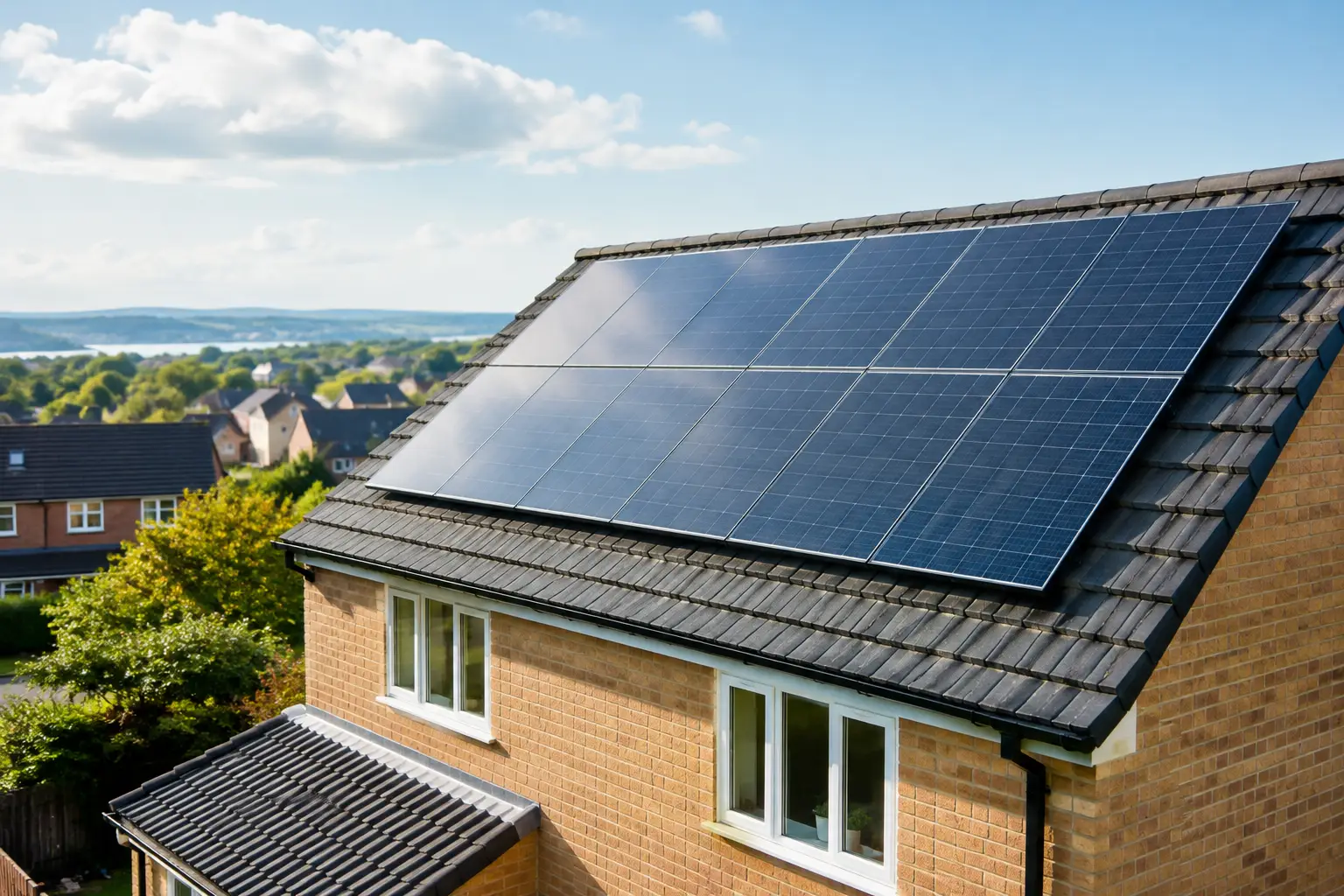
A solar system should be designed around the way a building uses electricity, not simply around how many panels fit on the roof. This solar design engineering guide explains the decisions that turn a promising solar idea into a safe, productive system that lowers imported electricity and supports long-term energy independence.
For a homeowner, that may mean using more of your own generation after work through battery storage. For a business, it may mean matching a larger array to daytime operations, refrigeration, machinery, EV charging or common-area demand. In both cases, sound engineering protects performance, avoids costly changes later and makes the installation process far more straightforward.
What a solar design engineering guide should cover
Solar design brings together site conditions, electricity consumption, equipment selection, structural suitability and grid requirements. Panels are highly visible, but they are only one part of the system. The design must consider the roof or available land, the consumer unit and electrical infrastructure, inverter location, cable routes, shading, battery position and access for installation and future maintenance.
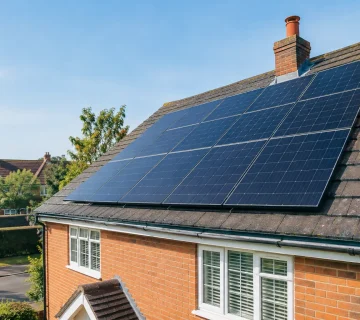
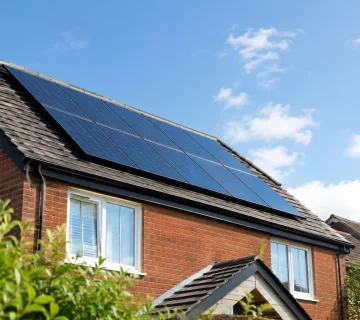
The starting point is a proper property survey. Roof orientation and pitch affect annual generation, but a south-facing roof is not the only worthwhile option. East and west-facing arrays can produce electricity over a broader part of the day, which may suit households using power in the morning and evening or commercial sites with long operating hours. A well-designed split array can sometimes deliver better self-consumption than a larger array focused only on midday output.
Shade needs equally careful attention. Chimneys, neighbouring buildings, trees, roof vents and dormers can affect a panel string differently at different times of year. A survey should assess likely shading rather than relying on a quick visual impression. The right response may be to alter the panel layout, use optimisers where appropriate, or accept that a section of roof is not commercially worthwhile.
Start with electricity use, not panel numbers
Electricity bills and half-hourly data, where available, reveal far more than an annual total. They show when the building demands energy and how much solar generation can realistically be used on site. This matters because every kilowatt-hour used directly is generally more valuable than one exported to the grid.
A family home with modest daytime demand may benefit from a sensibly sized array paired with a battery. A food manufacturer or hotel with strong daytime demand may gain more from a larger solar array before considering storage. There is no universal panel count or battery size that suits every property.
It is also sensible to account for future changes. An EV charger, heat pump, home extension, new machinery or longer opening hours can all alter the case for solar. Designing with these likely loads in mind may avoid the disruption of upgrading key electrical components later.
Engineering the roof, electrics and equipment
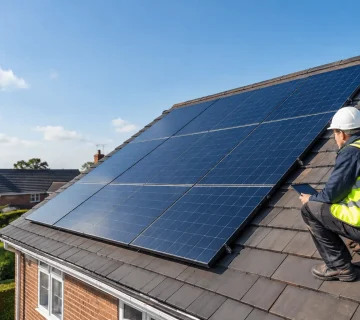
A roof survey is not just about measuring available space. The mounting system must suit the roof covering and structure, while maintaining weather protection and appropriate clearances. On flat roofs, the design also considers ballast, wind loading, drainage, row spacing and access routes. More panels are not always better if closely packed rows shade one another or leave no practical route for maintenance.
Structural considerations are especially relevant for older buildings, commercial roofs and residential blocks. The added weight of panels, mounting equipment and, where used, ballast needs to be understood in context. An experienced installer will identify when further structural input is needed rather than making assumptions based on roof appearance alone.
The electrical design is just as important. Inverters convert the panels’ direct current into usable alternating current, while protection equipment helps keep the system safe under normal operation and fault conditions. The design must accommodate the property’s supply capacity, earthing arrangement, consumer unit condition and sensible cable routes.
For larger commercial systems, detailed assessment of the site’s electrical distribution and maximum demand is essential. A solar array may reduce imported power during the day, but it must integrate safely with existing switchgear and operational loads. Careful planning helps minimise disruption during installation and commissioning.
Choosing between inverter and battery options
Equipment should be selected for the property rather than chosen from a generic package. A string inverter can be a cost-effective choice for an uncomplicated roof with consistent conditions. Optimisers or microinverters can be useful where roof sections face different directions or shading affects individual panels, though they add equipment and cost.
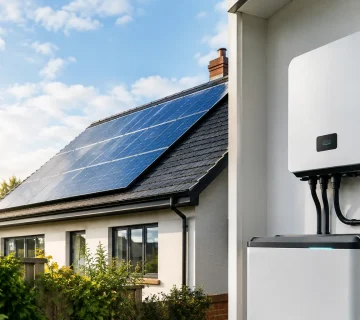
Battery storage is best assessed against actual consumption patterns. A battery can store surplus solar generation for the evening, reduce grid imports at higher-cost times and provide a degree of resilience when designed with suitable backup capability. However, not every battery provides power during a grid outage as standard. Backup requirements must be specified from the beginning, as they can affect the battery, inverter, essential-load circuit and overall design.
Battery capacity should also be proportionate. An oversized battery may take longer to fill and can weaken the financial case; a small battery may not cover meaningful evening demand. The right balance depends on solar generation, household or business consumption, electricity tariff structure and the value placed on backup power.
Permissions, notifications and compliance in the UK
Many domestic solar installations can be completed under permitted development rights, but there are exceptions. Listed buildings, conservation areas, unusual roof configurations and ground-mounted systems may require additional checks. Commercial properties can also face planning considerations linked to building appearance, local restrictions or larger-scale equipment.
Grid connection is another important stage. The local Distribution Network Operator must be notified or asked for approval depending on the proposed system and export capacity. This process should not be treated as paperwork to complete at the end. It can influence system size, export settings and the programme for installation.
A professionally managed project also includes the relevant electrical certification, commissioning checks and clear handover information. These documents matter for safety, warranties, future servicing and, where applicable, export arrangements. They are part of the value of an engineered installation, not an administrative extra.
Designing for performance after installation
Predicted generation figures are useful for comparing options, but they are estimates, not guarantees. Weather conditions, seasonal variation, shading, soiling and changes in site electricity use all affect results. A trustworthy quotation explains the assumptions behind expected performance and makes clear what the system is designed to achieve.
Monitoring gives owners visibility after commissioning. It can show generation, imports, exports and battery behaviour, helping households adjust energy use and businesses identify operational patterns. If a system is underperforming, monitoring data also helps distinguish between a temporary issue, such as low irradiance, and a fault that requires attention.
Maintenance requirements are generally modest, but they should not be ignored. Visual inspections, periodic electrical checks and occasional panel cleaning may be appropriate depending on the location and environment. A system near busy roads, trees, agriculture or industrial activity may need more attention than one in a clear, open setting.
A practical route from survey to switch-on
The most reliable projects follow a clear sequence. First, the survey establishes what the property can support and how it uses energy. Next, the proposal sets out the recommended system, anticipated generation, equipment and costs. Engineering, permissions and grid processes are then addressed before installation is scheduled around the customer’s needs.
At Shard Solar, this managed approach helps prevent the common gap between a sales estimate and a system that can actually be installed. A detailed quotation within 48 hours gives property owners a practical basis for comparing options, while direct contact with the project team keeps decisions moving.
The final stage is commissioning. This is where the installation is tested, monitoring is configured and the owner receives the information needed to understand the system. For battery-backed designs, it is also the right time to confirm how charging, export and any backup functions are intended to work in everyday use.
A good solar project begins with realistic questions: when do you use electricity, what will change over the next few years, and what level of control do you want over your energy supply? Answer those well, and the finished system can do more than generate clean power. It can make the building cheaper to run, better prepared for changing energy needs and more confident in every unit of electricity it produces.