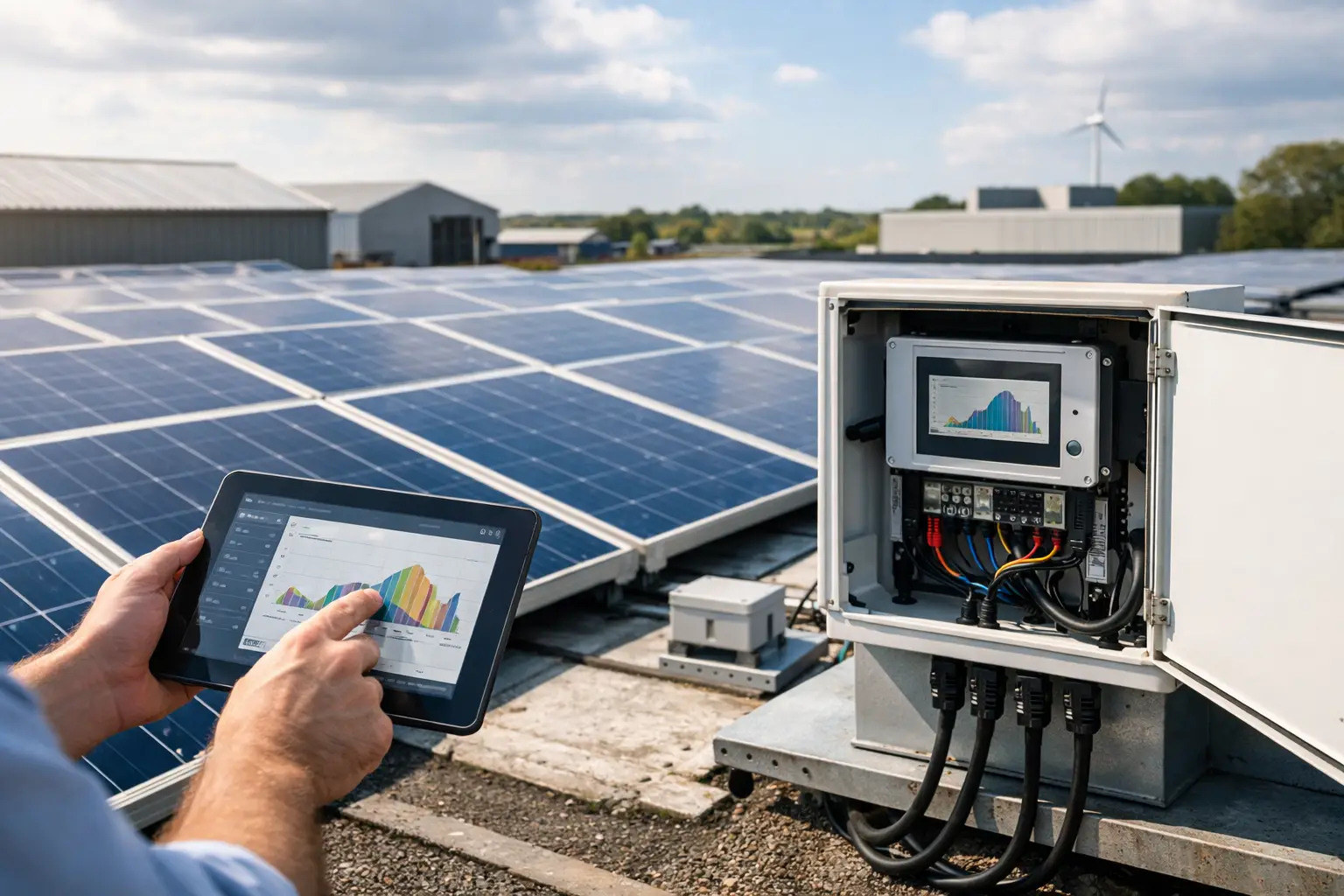
A solar array can look perfectly healthy from the ground while quietly producing less electricity than it should. That is where solar panel monitoring system benefits become practical rather than optional. By showing what your system is generating, using, storing and exporting, monitoring gives you the information needed to protect savings and make better use of the power produced on your property.
For a London home, this might mean checking whether the battery is charging before the evening peak. For a hotel, retailer or manufacturing site, it can mean identifying an unexpected change in generation before higher grid imports appear on the next bill. The right system turns solar performance from an assumption into something you can see.
What does a solar monitoring system do?
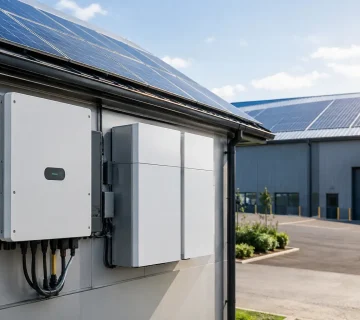
Most modern photovoltaic systems include monitoring through the inverter, a dedicated meter or both. Data is sent to an online portal or app, where the owner and, where agreed, their installer can view performance over time.
At its simplest, monitoring records solar generation in kilowatt-hours. More capable systems also show how much electricity the building is consuming, how much is being sent to the grid, and how a battery is charging or discharging. This matters because high generation does not automatically mean high savings. The greatest value usually comes from using solar electricity when it is produced, or storing it for later use.
The detail available depends on the equipment installed. Some systems provide a useful whole-system overview, while others can report on individual strings of panels or even individual modules. For a straightforward domestic roof, an overview may be enough. For a larger commercial installation with several roof areas, different orientations or more complex loads, more detailed data can make diagnosis far quicker.
The key solar panel monitoring system benefits
Find faults before they become expensive
A sudden drop in generation can have several causes: an inverter fault, a tripped isolator, a communications issue, damage to cabling, or a problem affecting part of the array. Without monitoring, the issue may only become obvious when a bill is unexpectedly high or an annual review reveals disappointing output.
Alerts and regular performance checks help identify unusual patterns earlier. That does not mean every alert signals a serious fault. A low-generation day in December may simply be a low-light day, and short interruptions can occur during grid works or routine equipment updates. The value lies in comparing performance against expected seasonal conditions and the system’s own previous output.
Early visibility is particularly valuable for landlords and commercial operators. A poorly performing system across a block of flats, shop or production facility can lose meaningful savings over weeks or months if no one is watching it.
See whether your system is delivering as expected
A solar quotation should set realistic expectations for annual generation based on the roof, orientation, shading and system design. Monitoring lets those expectations be checked against real operation.
Daily figures can vary considerably, especially in the UK. Cloud cover, shorter winter days, summer heat, soiling and temporary shading all affect output. Looking at a single day rarely tells the full story. Monthly and annual trends are more useful for judging whether the system is broadly performing in line with its design.
This visibility also helps separate a genuine technical issue from normal variation. For example, a south-facing array will normally produce differently from an east-west system, even if the total annual yield is similar. A good monitoring review considers the design of the installation, not just the highest number on the screen.
Increase self-consumption and reduce grid purchases
Solar power is most valuable when it offsets electricity that would otherwise be bought from the grid. Monitoring reveals when generation is high and when building demand is high, making it easier to bring the two closer together.
At home, that may mean running the washing machine, dishwasher or immersion heater in the middle of the day where practical. If you have an EV charger, monitoring can inform charging schedules that prioritise daytime solar generation. For businesses, it may support better timing for energy-intensive processes, refrigeration checks or other flexible loads.
The aim is not to reorganise every part of the day around an app. It is to identify sensible changes that increase the share of solar electricity used on site. Even modest shifts can improve the financial return from the system over its lifetime.
Make battery storage work harder for you
Battery storage adds another layer to monitoring. Instead of only seeing solar generation, you can see when surplus electricity is stored, when it is used in the evening, and whether the battery is regularly reaching its usable capacity.
This insight can help answer practical questions. Is the battery charging mainly from surplus solar? Is household demand exhausting it soon after sunset? Is a tariff schedule causing it to charge from cheaper off-peak electricity when that is part of the chosen energy strategy?
There is no single perfect battery pattern. A household with high evening use will behave differently from an office that consumes most of its power during daylight hours. Monitoring helps ensure the operating settings suit the property’s habits, rather than relying on assumptions made at installation.
Support maintenance and protect long-term performance
Panels have no moving parts, but a solar system is still an electrical installation exposed to weather, dirt, birds and changing site conditions. Monitoring provides useful evidence when arranging inspections, repairs or cleaning.
For example, a gradual difference between expected and actual output may justify a closer look at shading from growing trees, significant soiling, or a developing equipment issue. It should not be used to assume panels need frequent cleaning. In many UK locations, rainfall removes ordinary dust adequately. Cleaning is most worthwhile where monitoring and an inspection indicate a likely problem, such as persistent dirt, bird mess or site-specific contamination.
For larger sites, performance reporting can also support planned maintenance budgets and clearer conversations with facilities teams. Instead of responding only after a failure, owners can make decisions based on operating data.
Monitoring is useful only when someone acts on it
An app full of charts does not, by itself, save energy. The benefit comes from setting up the system properly, knowing which measures matter and having support when something looks wrong.
At commissioning, the monitoring platform should be connected, checked and explained. Owners should know how to view generation, understand basic alerts and keep login details accessible. For commercial properties, it is worth agreeing who receives alerts and who has authority to request an investigation. This prevents an issue being noticed but left unresolved between teams.
Ongoing installer support can be equally important. A capable provider can assess whether an apparent performance change is caused by weather, usage, export restrictions, communications or equipment. Shard Solar incorporates monitoring and aftercare within its wider service, so customers have a direct route for performance questions after installation rather than having to interpret every graph alone.
Choosing the right level of monitoring
More data is not always better. A homeowner who wants reassurance may need a clear view of generation, consumption and battery status. A multi-site business may need interval data, export information, reporting across locations and a defined process for responding to faults.
Before installation, consider what you genuinely need to know. Ask whether the system will measure whole-property consumption as well as solar output, whether battery data is included, how alerts are delivered, and whether the equipment needs a reliable internet connection. Also check who owns access to the platform if the property is sold, let or managed by another party.
Connectivity deserves attention. If broadband drops out, the solar system can often continue generating safely, but remote data may be delayed or unavailable. Monitoring is a powerful management tool, not a substitute for sound electrical design, quality equipment and professional installation.
Turn data into better energy decisions
The most useful monitoring screen is the one that prompts a worthwhile action: checking an unexpected dip in output, shifting a flexible load into sunny hours, or confirming that stored energy is covering evening demand. Review your system regularly enough to understand its normal pattern, then seek advice when that pattern changes. That simple habit helps keep clean, on-site power working hard for your property year after year.