A solar array can look perfectly healthy from ground level while a small issue quietly reduces its output. Dirt around the lower edge of panels, a loose cable, inverter alerts or nesting birds can all affect how much electricity your system produces. Solar panel maintenance and cleaning is therefore less about making panels look spotless and more about protecting the performance, safety and return on your investment.
For most properties, solar panels need far less hands-on attention than people expect. They have no moving parts, and the rain does much of the routine rinsing in the UK. However, a sensible programme of monitoring, inspection and targeted cleaning can identify faults before they become expensive interruptions – particularly on commercial sites, properties near trees or busy roads, and systems with battery storage.
What solar panel maintenance and cleaning involves
Good aftercare starts with understanding the difference between cleaning and maintenance. Cleaning removes material that blocks sunlight, such as dust, pollen, bird droppings, leaves and traffic film. Maintenance checks that the system is operating safely and producing as expected.
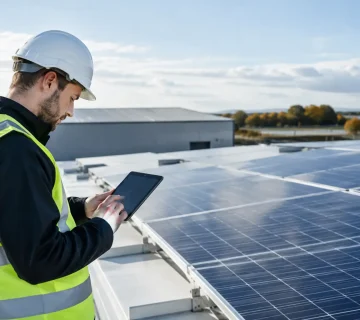
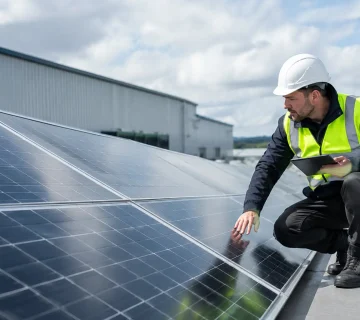
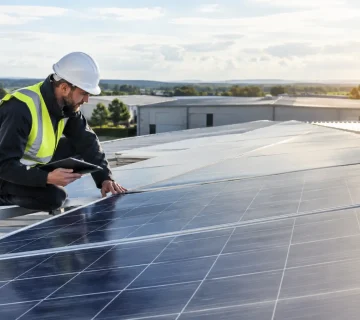
A professional visit may include a visual check of modules, mounting hardware, cabling and isolators; an inspection of the inverter and generation data; and cleaning where there is a clear build-up affecting output. The exact scope depends on the system’s age, roof access, surrounding environment and monitoring history.
For homeowners, this approach provides reassurance that the system is still doing the job it was designed to do. For landlords, developers and business owners, it supports performance reporting, planned maintenance and a clearer record of the asset’s condition.
Rain helps, but it does not solve every problem
The British climate is generally kind to solar panels. Regular rainfall can wash away loose dust, which is why an annual cleaning visit is not automatically necessary for every roof. Cleaning panels simply because they have been installed for a year may add cost without delivering a meaningful gain.
It depends on the site. Panels beneath overhanging trees can collect leaf debris and sticky pollen. Seagulls and pigeons can leave concentrated droppings that rain may not shift. A building close to a main road, railway, agricultural activity or construction work may develop a more stubborn film. Flat or low-pitch arrays can also retain dirt at their lower edge more readily than steeper roofs.
Rather than working to a rigid timetable, compare generation with what is normal for the season and the same period in previous years. A clear, unexplained decline is a better reason to investigate than appearance alone.
Signs your system needs attention
Your monitoring platform is often the first place to look. Solar output naturally changes with daylight hours, cloud cover and temperature, so one dull week does not indicate a problem. What matters is a sustained change that cannot be explained by the weather or usual seasonal patterns.
Arrange an inspection if you notice four or more of the following concerns, or if a single issue appears urgent:
- Generation is consistently lower than expected in comparable weather.
- The inverter displays an error message, warning light or repeated shutdown alert.
- Leaves, moss, bird droppings or debris are visibly shading sections of the array.
- You can see damaged glass, loose fittings, exposed cables or signs of water ingress.
Do not climb onto the roof to investigate. Solar panels produce electricity when exposed to light, and roofs introduce obvious working-at-height risks. A trained technician has the right access equipment and can assess both the panels and the electrical components without causing damage.
Cleaning can help, but only when done correctly
A panel’s glass surface is tough, yet it can be scratched by abrasive pads, harsh powders and trapped grit. Domestic pressure washers are also a poor choice. High pressure may damage seals, force water into vulnerable areas or disturb fixings, while a sudden blast of cold water onto hot glass can create unnecessary thermal stress.
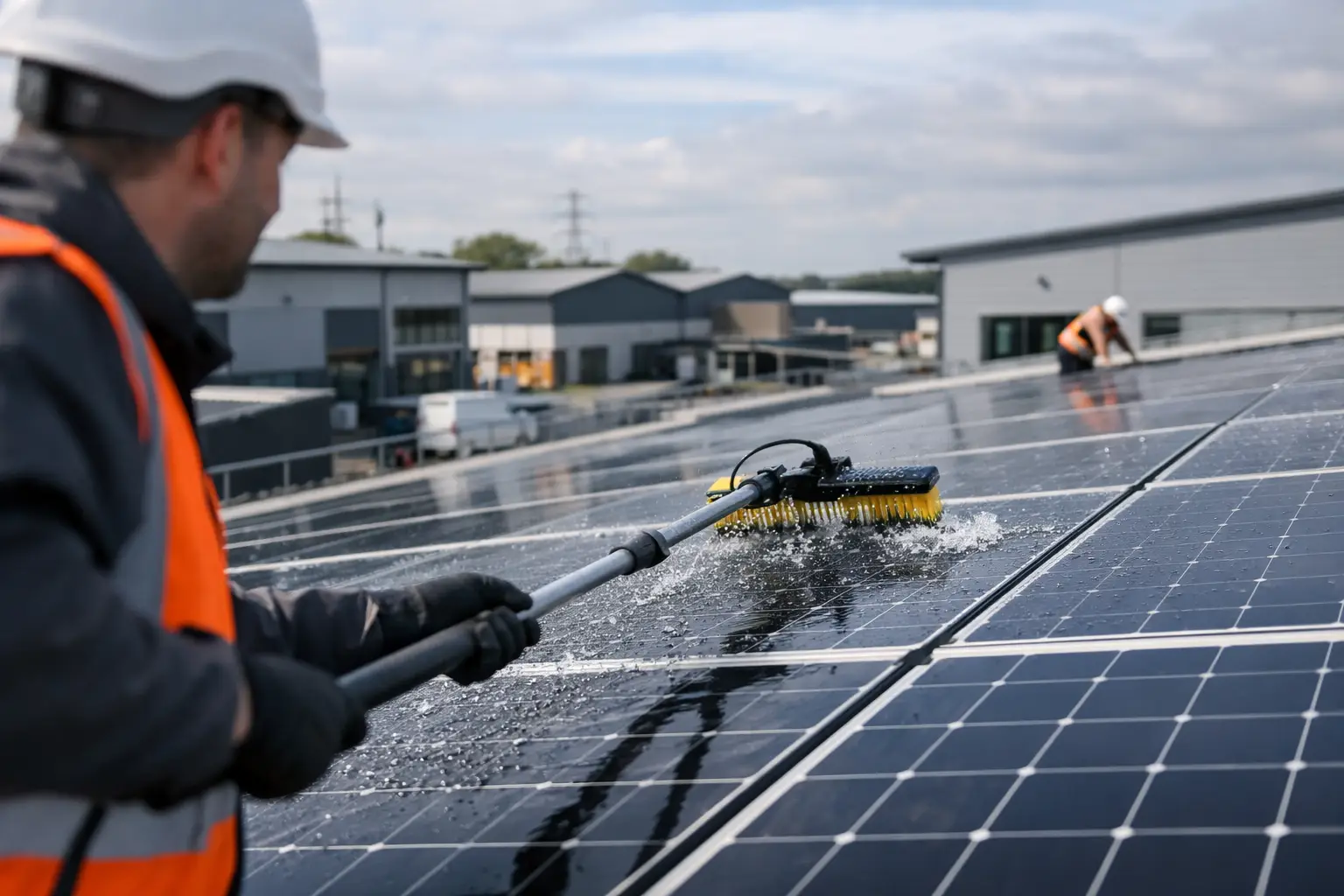
When cleaning is justified, professionals use suitable purified or deionised water and soft equipment designed for solar glass. The aim is to lift contamination without leaving mineral deposits or residue behind. Cleaning should be carried out safely from suitable access equipment, ideally during cooler conditions rather than on a hot, bright roof.
Avoid household detergents unless specifically recommended by the panel manufacturer. They can leave a film that attracts more dirt, and some chemicals may affect protective coatings. Never stand on panels, lean ladders against them or attempt to remove stubborn marks with a blade or metal tool.
Maintenance is where long-term value is protected
Cleaning addresses light-blocking dirt. Maintenance is what helps catch issues such as inverter faults, declining string performance, worn connectors, damaged cable insulation and roof penetrations that need attention. These are not always visible from the ground, and they do not always stop the system completely. A system may continue generating while producing less than it should.
Inverters deserve particular attention because they convert the panels’ direct current into usable alternating current for your building. They are electronic equipment, so their expected service life is usually shorter than the panels themselves. A maintenance review can confirm that the inverter is ventilated, operating within normal parameters and communicating correctly with the monitoring system.
For systems paired with battery storage, maintenance should also consider how generation, consumption and stored energy are working together. If a battery is charging less often than expected, the cause could be lower solar production, changing household demand, a monitoring setting or a technical issue. Looking at the whole system gives a more useful answer than inspecting panels in isolation.
Residential and commercial schedules are not identical
A typical home system may only need periodic professional inspection, with owners checking the app or monitoring portal regularly and arranging cleaning when site conditions warrant it. If production is stable and the roof is clear, there is no benefit in unnecessary intervention.
Commercial systems often need a more structured plan. A retail site, hotel, food manufacturer or residential block may have a larger array, more complex electrical infrastructure and less tolerance for unexpected downtime. Planned inspections can be scheduled around operating hours, with documented findings and performance data that support budget planning and environmental reporting.
The roof itself matters too. Any work should respect roof warranties, access restrictions and health-and-safety procedures. On larger sites, the safest and most efficient approach may involve coordinated access, isolation procedures and inspection of associated electrical equipment at the same time.
A practical routine between professional visits
You do not need to become a solar technician to look after your system. Check your monitoring app monthly and compare performance with the same month last year where possible. Keep a note of alerts, outages and unusual changes in electricity use, as these details make fault diagnosis quicker.
From a safe position on the ground, occasionally look for obvious shading from new tree growth, construction scaffolding or debris. If trees are beginning to shade panels, seek appropriate advice before pruning, especially where trees are protected or near neighbouring boundaries. Shading can affect more than the covered panel, depending on the array design.
After severe weather, look for visible damage without accessing the roof. Contact a qualified installer promptly if you suspect impact damage, loose components or electrical faults. Do not attempt repairs yourself, even if the issue seems minor.
Shard Solar can provide the ongoing inspection, monitoring, repairs and panel cleaning needed to keep a solar investment working as intended. The right level of care is not the most frequent service visit. It is a clear view of performance, safe action when evidence points to a problem, and practical support that keeps your property generating clean power for years to come.