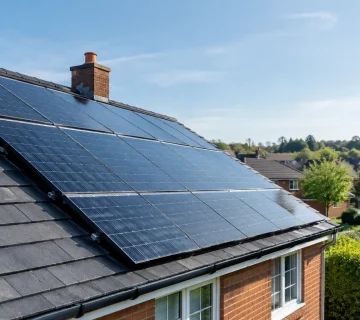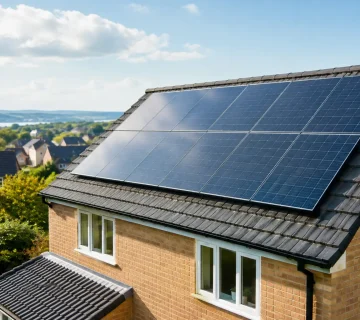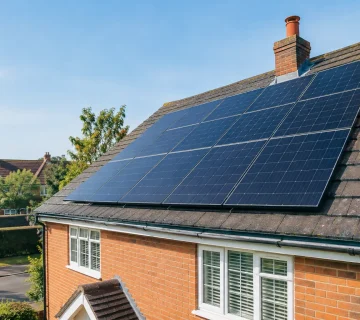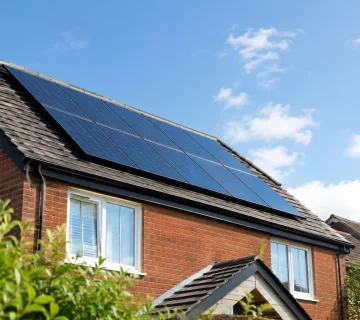
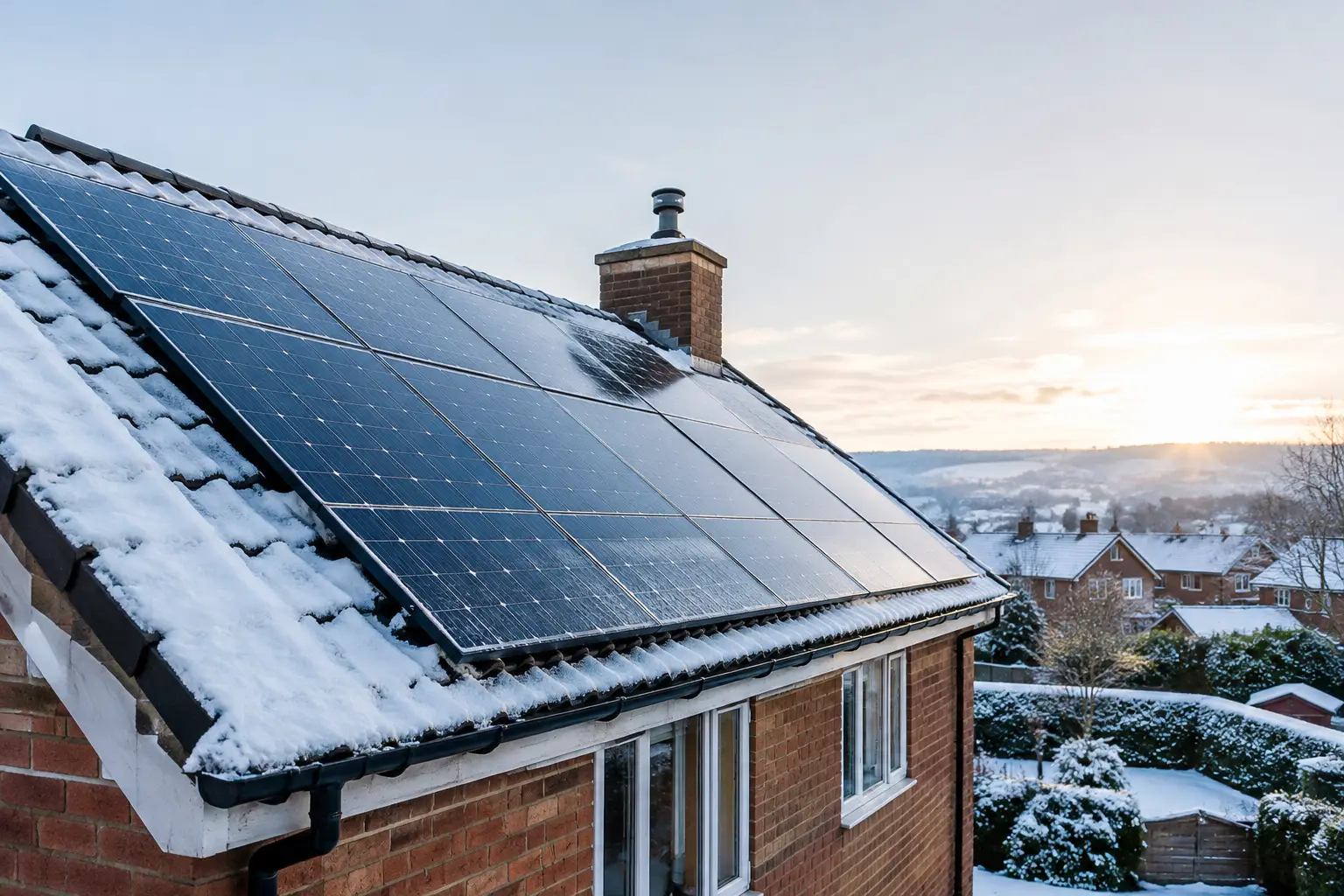
If you are asking, “do solar panels work in winter?”, the answer is yes. Solar panels continue to generate electricity through the colder months, including on bright, overcast days. Their output is lower than in summer because there are fewer daylight hours and the sun sits lower in the sky, but winter generation remains a valuable part of a well-designed solar system.
For homes and businesses in the UK, the right question is not whether solar stops working in winter. It is whether the system has been designed around the building’s annual electricity use, roof conditions and the times when power is most valuable. A professionally specified system can reduce grid imports year-round, with battery storage helping customers use more of the electricity they produce.
Do solar panels work in winter when it is cold?
Yes – and cold weather itself is not the problem. Solar photovoltaic panels create electricity from daylight, not heat. In fact, solar cells generally operate more efficiently in cool conditions than in extreme heat.
This often surprises people because solar panels are associated with hot, sunny countries. Temperature and sunlight are different things, however. A clear, crisp winter day can be excellent for panel efficiency, even though the total energy generated is limited by the shorter day. By contrast, panels can become less efficient during very hot summer conditions, despite receiving more sunlight overall.
What reduces winter output in Britain is mainly the available solar irradiance – the strength and duration of sunlight reaching the panels. December and January bring shorter days, lower sun angles and more frequent cloud cover. These factors reduce production, but they do not switch it off.
Why winter solar generation is lower
A solar system produces most of its annual electricity from spring through early autumn. The difference can be significant: a well-positioned array may generate several times more electricity on a clear June day than on a typical day in December.
Day length is the biggest reason. In London, daylight can last for more than 16 hours around midsummer but closer to eight hours near the winter solstice. The sun is also lower in the sky during winter, so its light travels through more of the atmosphere before it reaches the panels.
Cloud cover matters too, although it should not be mistaken for darkness. Modern solar panels can still generate electricity from diffuse daylight passing through cloud. Output will be lower than under direct sunshine, but the system continues to contribute to the property’s demand. This is why monitoring data often shows a steady winter generation curve rather than an on-off pattern.
Roof shading becomes more noticeable at this time of year. A chimney, neighbouring building, parapet wall or tree that causes little concern in summer can cast a longer shadow when the sun is low. Detailed design should account for this before installation, particularly on urban properties and commercial roofs with plant equipment or surrounding taller buildings.
How much electricity can panels produce in a UK winter?
There is no single figure that applies to every property. A south-facing, unshaded roof at an effective pitch will usually produce more than a roof facing east or west, although east-west layouts can still be highly useful where electricity is used across the day. Local weather, panel capacity, inverter configuration and shading all influence the result.
As a general pattern, winter production accounts for a smaller share of annual generation, while summer delivers the largest share. That does not mean winter savings are insignificant. Even modest daytime solar output can cover background demand such as refrigeration, networking equipment, lighting, appliances on standby and parts of a business’s daytime load.
For a household, this might mean solar power supports the fridge, broadband router, washing machine or dishwasher when they run during daylight hours. For a shop, hotel, block of flats or food manufacturer, daytime generation can offset a portion of continuous operational demand. The financial value depends on the electricity price avoided and how effectively the property uses the power as it is generated.
A property survey and detailed quotation should model expected annual performance rather than relying on peak summer figures. This gives a more realistic view of likely output, savings and the role that storage can play across the year.
Battery storage makes winter generation go further
Battery storage does not make panels produce more electricity, but it can make the electricity they produce more useful. During a winter day, generation may be strongest around the middle of the day, while household demand often rises in the morning and evening. A battery can store surplus solar energy for use later, reducing the need to buy electricity from the grid after sunset.
The benefit depends on the size of the solar array, battery capacity and the property’s usage pattern. An oversized battery will not necessarily be the best investment if winter solar surplus is limited. Equally, a battery that is too small may fill quickly on brighter days and leave little stored energy for the evening.
For commercial premises, storage can also support a more controlled approach to energy use where there are predictable loads, high tariff periods or a need to improve on-site consumption of solar generation. The best configuration is based on real consumption data, not a one-size-fits-all package.
In winter, some battery owners also choose to charge from the grid during lower-cost tariff periods, then use that stored electricity at more expensive times. This is separate from solar generation, but it can improve flexibility and help the system deliver value when daylight is limited.
Snow, frost and rain: do they damage solar panels?
Rain and frost do not normally prevent solar panels from operating safely. Panels are designed for outdoor conditions, and rain can help wash away loose dust and debris. In the UK, sustained snow cover is uncommon in many areas, particularly across London and the South East. If snow settles heavily on panels, it can temporarily block light and reduce generation until it melts or slides away.
There is no need to climb onto a roof to clear snow. This creates an unnecessary safety risk and may damage the panels, cabling or roof surface. Panels are often installed at an angle, which helps snow slide off as temperatures rise. If there is a genuine concern about damage, unusual debris or a prolonged loss of output, a professional inspection is the sensible route.
Winter is also a good time to watch for leaves, moss, bird mess and nearby vegetation. A small amount of surface dirt will not usually cause a major issue, but persistent shading or heavy soiling can reduce performance. Ongoing monitoring and appropriate maintenance help identify whether a system needs attention rather than relying on guesswork.
Getting the most from solar panels during winter
The most useful winter habit is to run flexible electricity use during daylight where practical. Charging devices, using appliances and scheduling suitable business processes for the middle of the day can increase the amount of solar power used on site. This is particularly worthwhile when the system is producing less overall.
It also helps to keep expectations seasonal. Solar should be assessed over a full year, not judged by a grey week in January or a sunny week in July. A properly engineered system is designed to deliver meaningful annual generation, while recognising that grid electricity may still be needed during darker periods.
For landlords and commercial decision-makers, visibility is especially valuable. System monitoring can show daily generation, consumption patterns and any unexpected performance changes. That information supports better energy decisions and makes it easier to plan maintenance before a minor issue becomes a larger one.
Design quality matters more in winter
Winter exposes weaknesses in poor solar design. Panels placed where low-angle sunlight is blocked, strings configured without considering partial shade, or systems sized without understanding daytime demand may produce disappointing results when conditions are less forgiving.
A full assessment should consider roof orientation, pitch, structural condition, shading across the year, electrical infrastructure and likely future loads. Planned additions such as an EV charger, heat pump or expanded business equipment can affect the most appropriate system size. For larger properties, the design may also need to consider battery storage, export arrangements and operational continuity.
Shard Solar approaches this through a managed process, from property survey and system design to installation, commissioning and aftercare. The aim is not simply to fit panels on a roof, but to create a system that works with how the property uses electricity in every season.
Winter solar is quieter, not absent. When panels are well positioned, professionally installed and supported by smart energy use or storage, they continue to cut grid reliance while laying the groundwork for stronger production when the longer days return.