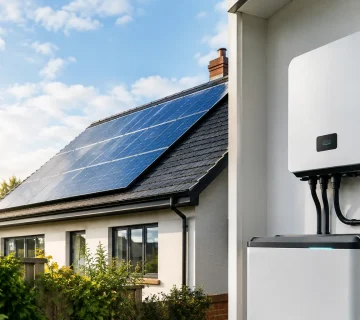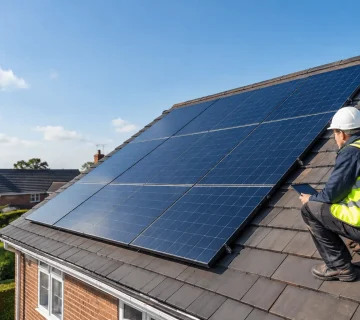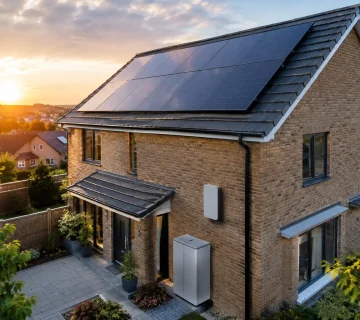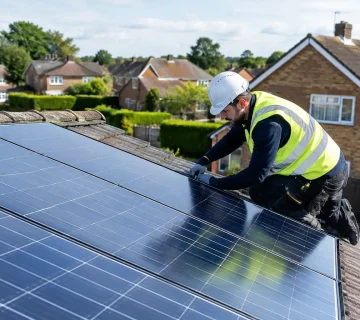

A solar system should be designed around the way your property actually uses electricity, not simply around the number of panels that will fit on the roof. Energy audits provide that starting point. They show where power is being consumed, where it is being wasted and when demand is highest, so that every improvement – from insulation to battery storage – can work harder for you.
For homeowners, landlords and commercial property managers, the result is a clearer route to lower bills, greater energy independence and a more practical plan for reducing carbon emissions.
What are energy audits?
An energy audit is a structured assessment of a building’s energy use and efficiency. It examines how electricity, gas and heat are used across a property, then identifies realistic opportunities to reduce consumption without compromising comfort, productivity or operations.
The process can be straightforward for a small home, or more detailed for a hotel, retail site, residential block or manufacturing facility. The depth of the assessment should reflect the building, the available data and the decisions you need to make. A basic review may focus on bills and visible equipment. A more comprehensive audit can include half-hourly electricity data, heating controls, lighting levels, building fabric, plant performance and peak-demand patterns.
The aim is not to recommend changes for their own sake. It is to understand which measures will make a worthwhile difference, what they are likely to cost and how they should be prioritised.
Why an audit comes before solar
Solar panels generate valuable electricity, but they do not remove avoidable energy waste. If a building has inefficient lighting, poorly controlled heating or equipment running overnight without need, a larger solar system may be specified to cover demand that could have been reduced first.
An audit helps match solar generation and battery capacity to your real load profile. This matters because electricity use is rarely constant. A family may use more power in the morning and evening, while a business may have a pronounced daytime demand. A food manufacturer may need dependable power for refrigeration around the clock. Each pattern affects the value of on-site generation and stored electricity.
For example, a commercial site with strong daytime consumption may be able to use a high proportion of solar power directly as it is generated. A household that is empty during the day may benefit more from a battery that stores surplus production for use after sunset. In some cases, replacing old lighting or improving controls first can reduce demand enough to change the proposed solar design.
That does not mean every efficiency measure must be completed before solar is installed. Roof condition, budget, business expansion plans, available incentives and rising electricity prices all affect the right sequence. The value of an audit is that it gives you the evidence to make that choice confidently.
Energy audits versus an EPC
An Energy Performance Certificate is useful, particularly when selling or letting a property, but it is not the same as a tailored energy audit. An EPC provides a standardised assessment and rating, based on the property at the time of inspection. It can highlight broad improvements, such as better insulation or a heating upgrade.
An audit goes further into the way a specific building is operated. It can consider actual energy bills, occupancy, equipment schedules, seasonal demand and future plans. For commercial premises, this practical view is often essential. Two similar buildings can have very different energy costs because their operating hours, equipment and controls are different.
What a useful audit should examine
Good energy audits combine building information with real consumption data. It is easy to focus on the most visible issue, such as old light fittings, while missing a larger source of cost such as out-of-hours machinery or poorly timed heating.
A thorough review will normally consider the building fabric, including insulation, glazing, draughts and roof condition. It will also look at the systems that consume energy: lighting, heating, ventilation, cooling, hot water, kitchen equipment, refrigeration, pumps, IT equipment and production machinery where relevant.
Just as importantly, it will consider controls and behaviour. Timers that are incorrectly set, heating zones that cannot be adjusted properly and equipment left on as a precaution can all create unnecessary consumption. These are often some of the quickest savings to address because they may require adjustment rather than major capital work.
For solar planning, electricity data is particularly valuable. Monthly bills offer a useful overview, but half-hourly readings or smart-meter data can reveal when power is used throughout the day. This allows a designer to assess likely solar self-consumption, export levels and the role a battery could play.
Turning findings into a practical plan
The most useful audit report does not leave you with a long list of technical observations. It turns findings into a prioritised plan with clear actions, estimated savings and sensible next steps.
Quick wins should come first where they are genuinely effective. Adjusting heating schedules, fitting LED lighting, improving controls or switching off non-essential overnight loads can reduce consumption quickly. These changes can also establish better energy habits before larger upgrades are made.
The next stage is usually investment measures. Depending on the property, this could include insulation, improved glazing, efficient heating controls, heat pumps, upgraded refrigeration, solar PV or battery storage. Each should be considered in the context of the others. A well-insulated building may need a smaller heating system; reduced daytime demand may alter solar array sizing; an EV charger can increase the value of daytime generation if charging is managed intelligently.
For landlords and developers, the plan should also consider tenant comfort, maintenance requirements and future compliance. For business owners, it needs to account for trading hours, operational resilience and disruption. Replacing equipment may deliver strong savings, but not if it requires a costly shutdown at the busiest time of year. Phasing work around planned maintenance or quieter periods can make a project far more viable.
The financial case: look beyond the headline saving
Energy projects should be judged on more than a simple payback figure. Payback is helpful, but it does not capture every benefit. Solar and battery storage can reduce the amount of electricity bought from the grid, provide more certainty over a share of future energy costs and support sustainability commitments that matter to customers, staff or investors.
A proper assessment should consider installation cost, projected generation, expected self-consumption, export arrangements, maintenance and the life of the equipment. For businesses, it may also consider demand charges, tax treatment, lease arrangements and planned changes in occupancy or production.
Predictions should be realistic. Solar output varies with roof orientation, shading, weather and system design. Savings depend on the tariff, when electricity is used and how effectively the system is managed. A battery does not create extra electricity, but it can improve the value of solar generation by moving surplus daytime power into the evening or other higher-demand periods.
This is why an accurate survey and clear design assumptions matter. They make it easier to compare options and understand what the system is expected to deliver after commissioning.
When should you arrange an energy audit?
An audit is especially valuable before a major refurbishment, lease renewal, solar installation or equipment replacement. It is also useful when bills have risen without an obvious explanation, a building has changed use or occupants complain about rooms being too hot, cold or poorly ventilated.
For commercial properties, reviewing energy use before expanding operations can prevent avoidable infrastructure costs later. For homes, it can help decide whether solar, a battery, insulation or heating improvements should take priority. If your property already has solar panels, an audit can also identify whether performance monitoring, cleaning, repairs or altered consumption patterns are limiting the benefits you expected.
Questions to ask before acting
Before committing to any recommendation, ask what data supports the proposed saving, whether the measure affects comfort or operations, and how it interacts with future solar or battery plans. You should also ask whether the work can be completed with minimal disruption and what maintenance it will require.
A worthwhile recommendation is specific to your property. Generic claims about savings are no substitute for an assessment of your roof, energy use, equipment and objectives.
From insight to cleaner power
The strongest energy strategy is rarely a single product. It is a considered combination of reduced waste, efficient equipment, on-site solar generation and, where it suits the property, battery storage. Starting with a clear picture of consumption means each pound invested has a defined purpose.
For properties in London and across the UK facing high electricity costs, that clarity can turn an energy project from a hopeful upgrade into a measured long-term decision. An energy audit gives you the facts to reduce demand first, generate more of what you need and take control of how your building uses power.