A solar battery can keep more of your daytime generation available for the evening, reduce reliance on grid electricity and support a more resilient energy supply. But solar battery safety begins long before the unit is switched on. The battery, inverter, protection equipment and electrical installation must be designed as one system for the property, its energy use and the manufacturer’s requirements.
For a home, block of flats or commercial site, the safest approach is also the most practical: use correctly specified equipment, have it installed by competent professionals, and keep it monitored and maintained over its working life. Battery storage is a proven technology, but it is not a fit-and-forget appliance.
Why solar battery safety needs proper planning
Most modern solar batteries use lithium-ion chemistry. These batteries are compact, efficient and well suited to storing solar electricity, but they contain a significant amount of energy in a small enclosure. Like an electric vehicle battery or other high-capacity electrical equipment, they need protection from overheating, water ingress, physical damage and electrical faults.
The likelihood of a serious issue is low when a system is correctly designed, installed and cared for. Problems are more likely where equipment has been poorly located, electrical work has been altered without assessment, or warning messages have been ignored. A lower upfront price is not a good trade-off if it means unclear warranties, unsuitable equipment or no aftercare.
A professional survey should consider more than roof space and panel output. It should also assess the consumer unit, cable routes, main supply, likely battery location, household or business demand, and whether the system may later be expanded with an EV charger, heat pump or additional storage. This planning helps prevent capacity and safety issues before installation day.
Choosing the right location for a battery
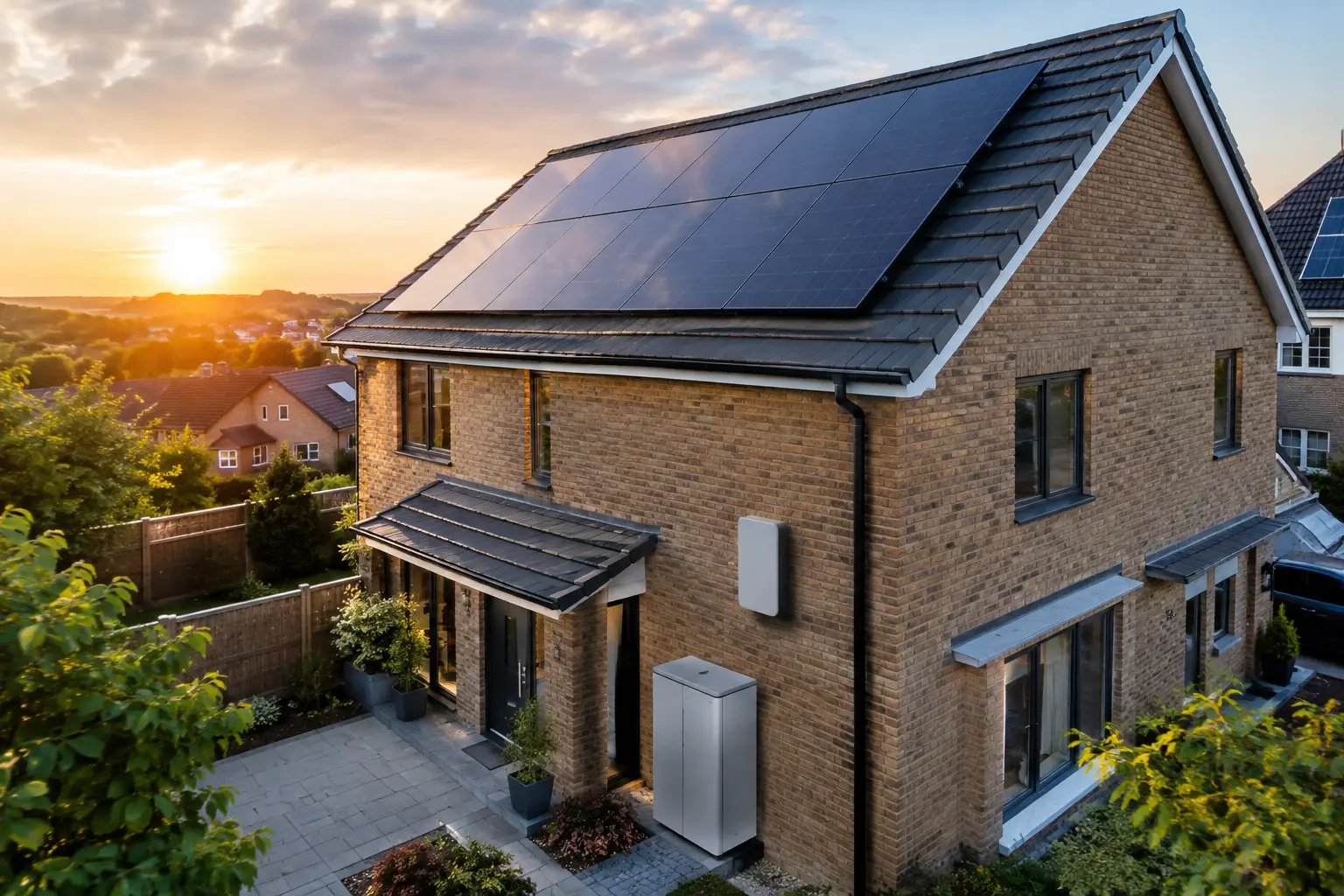
Battery location is one of the most important solar battery safety decisions. The right place depends on the specific battery model, the property layout and manufacturer instructions. A garage, utility room or suitably designed external location may be appropriate, while a cramped cupboard, an escape route or a room exposed to excessive heat may not be.
A competent installer will allow suitable clearance around the unit for ventilation, inspection and maintenance. Batteries should be kept away from direct heat sources, open flames and places where they could be knocked by cars, bicycles, tools or stored materials. They should not be boxed in with coats, cardboard or other combustible clutter.
Outdoor installation can work well where the equipment is rated for it, but exposure still matters. The battery enclosure needs protection from avoidable impact, standing water, extreme temperatures and direct sun where required by the manufacturer. In busy commercial settings, a protected position may be needed to prevent accidental damage from deliveries or site activity.
For residential blocks and commercial buildings, the location also needs to account for shared areas, fire strategy and access for authorised personnel. Battery equipment should not compromise a clear route out of the building. This is one reason why a site-specific design is safer than choosing a location from a generic online diagram.
Temperature, airflow and clear access
Batteries operate best within a defined temperature range. Very cold weather can reduce available capacity, while excessive heat can affect performance and increase wear. The battery management system will usually limit charging or discharging when conditions fall outside its safe operating range, but correct siting reduces how often those limits are needed.
Do not cover vents or place objects against the battery cabinet. Keep the area dry, clean and accessible, so a technician can inspect labels, isolators and connections without moving stored items. If the system is in a garage, make this part of the routine alongside checking smoke alarms and clearing access to electrical equipment.
Safe design is more than the battery itself
A battery storage system includes far more than the battery unit. It may include a hybrid inverter or separate battery inverter, isolators, circuit protection, monitoring hardware, cabling and, in some cases, backup power equipment. Each element must be compatible and correctly rated for the system’s voltage, current and intended use.
The electrical work should comply with applicable UK requirements, including the relevant standards for electrical installations. Your installer should also follow the equipment manufacturer’s installation instructions rather than applying a one-size-fits-all method. This is particularly important where a property has older wiring, a three-phase supply, high electricity demand or existing solar panels installed by another contractor.
Backup power is an area where clear expectations matter. Some batteries can provide limited power during a grid outage, but not every battery system includes this function as standard. Even where backup is fitted, there may be limits on which circuits can operate and how much load the system can support. A well-designed system prevents dangerous back-feeding to the grid and makes the backup arrangement clear to everyone using the building.
Installation and commissioning: what good practice looks like
Professional installation is not simply mounting equipment and connecting cables. It involves safely isolating circuits, making secure electrical connections, configuring the inverter and battery controls, labelling the system, and testing operation under expected conditions.
At commissioning, the installer should confirm that the battery charges and discharges as intended, monitoring is connected, protection devices operate correctly and the customer understands normal operation. You should receive relevant handover information, including product manuals, warranty details, system settings and guidance on what to do if an alert appears.
This is also the time to ask practical questions. Which appliances are covered during a power cut? Where are the isolators? Who should be contacted if the monitoring app reports a fault? Can you add more panels, storage or an EV charger later? Clear answers make the system easier to use safely and protect the value of the investment.
Everyday solar battery safety checks
Owners do not need to service the internal parts of a battery. In fact, opening a battery cabinet or attempting electrical repairs is unsafe and may invalidate the warranty. Everyday care is mainly about keeping the surrounding area suitable and acting early if the system indicates a problem.
Check the monitoring platform periodically, especially in the first few months after installation. Look for unexpected fault notifications, a prolonged loss of generation or unusual changes in battery performance. A single period of reduced charge may simply reflect winter weather or household demand. Repeated alerts, unexplained shutdowns or visible damage need professional attention.
You should also keep the equipment area clear and avoid drilling, decorating or carrying out building work around battery cables without first understanding where they run. Tell electricians, builders and property managers that battery storage is installed before they start work. If your building is leased or managed, ensure the relevant records identify the equipment location and isolation arrangements.
When to call for help
Turn off and isolate equipment only if you can do so safely and in line with the handover instructions. Do not touch damaged cables, attempt to reset a repeatedly tripping system or investigate a burning smell yourself. If there is smoke, fire, hissing, swelling, severe overheating or a strong unusual odour, move people away from the area, call the emergency services and tell them that lithium-ion battery storage is present.
For less urgent issues, such as an app alert, reduced capacity or a battery that no longer follows its normal schedule, contact the installer or maintenance provider. Early inspection can often resolve a setting, communications or component issue before it affects system performance.
Commercial sites should include the battery system in site safety documentation and make relevant staff aware of its location. This does not mean every employee needs technical training. It means the people responsible for facilities, maintenance and emergency procedures know what equipment is on site and who to call.
Maintenance protects performance as well as safety
Battery systems generally require little routine maintenance, but little does not mean none. The appropriate inspection interval depends on the equipment, warranty terms, site conditions and system complexity. A large commercial installation may need more structured checks than a straightforward domestic system.
A professional maintenance visit can review physical condition, fixings, cable entries, ventilation, inverter status, firmware where appropriate and performance data. It is also a useful opportunity to assess whether changing electricity use has altered the system’s role. A new EV, heat pump, business extension or change in occupancy can affect how the battery should be configured.
Shard Solar treats battery storage as part of a complete energy system, with design, commissioning and ongoing support considered from the outset. That approach helps customers generate and store their own power with confidence, rather than being left to manage technical questions alone.
The best battery system is not only sized to save money. It is positioned, installed and cared for so it can deliver clean stored energy reliably for years to come.