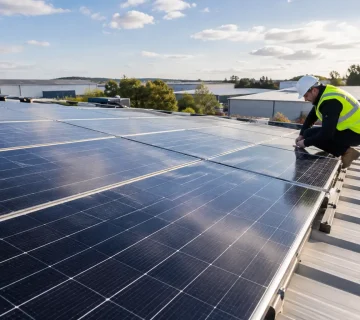
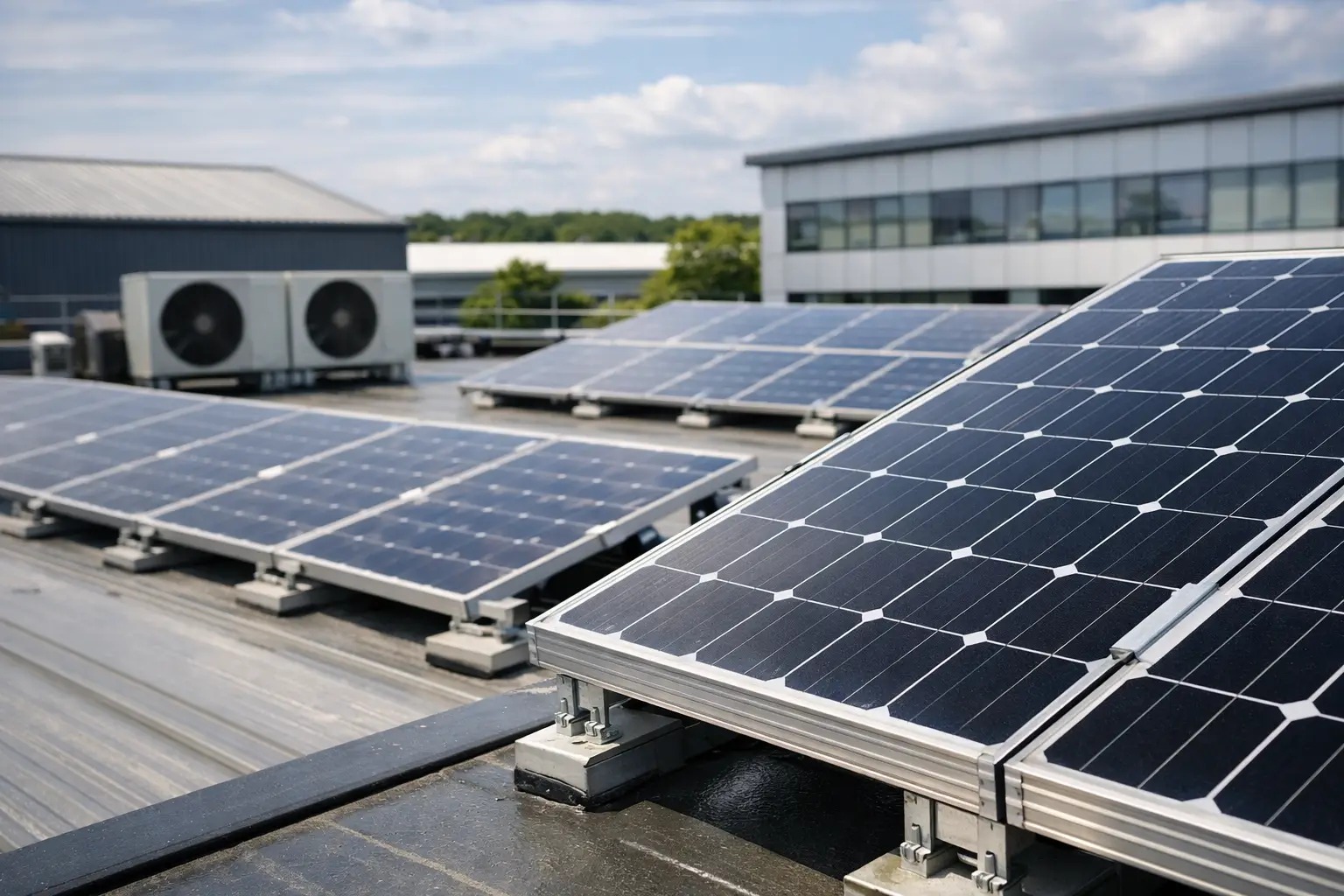
A heat pump is at its busiest when solar generation is at its lowest: on cold, dark winter days. That does not mean solar panels for heat pumps are a poor match. It means the system needs to be designed around how your property actually uses energy, rather than a promise that sunlight will cover every unit of heating demand.
For UK homeowners, landlords and businesses, combining photovoltaic solar with a heat pump can cut the cost of low-carbon heating, reduce reliance on grid electricity and make better use of power generated on site. The strongest results come from a whole-property view: the building fabric, heat-pump controls, solar array, battery storage and electricity tariff all have a part to play.
How solar panels and heat pumps work together
A solar PV system produces electricity during daylight hours. A heat pump uses electricity to move heat from the outside air, ground or water source into a building. Because it moves rather than creates heat, it can typically deliver several units of heat for every unit of electricity it consumes.
When the sun is shining, solar generation can supply some or all of the heat pump’s electrical demand, alongside normal daytime loads such as lighting, appliances, refrigeration or office equipment. This reduces the amount of electricity you need to buy from the grid at the time it is being used.
The relationship is especially useful in spring and autumn. Heating demand is still present, but outdoor temperatures are milder and solar output is higher than in winter. A well-controlled system may also use surplus daytime generation to heat a hot-water cylinder, giving the household useful stored heat for later.
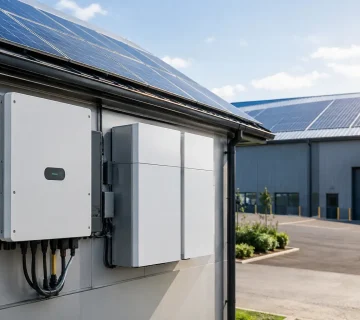
Solar does not power a heat pump directly in a separate circuit. Both connect through the property’s electrical system, with the inverter, consumer unit and appropriate protection designed to manage generation safely. Any shortfall comes from the grid; any surplus may charge a battery, supply other loads or be exported, depending on the system configuration.
The seasonal trade-off to understand
A heat pump’s greatest electricity demand usually arrives in December, January and February. These are also the months when shorter days, lower sun angles and cloud cover reduce solar output. In a typical home, summer solar generation may comfortably exceed the needs of hot water and everyday appliances, while winter generation will cover only a proportion of heating electricity.
That seasonal mismatch is not a reason to dismiss the combination. It is a reason to set realistic expectations. Solar can reduce annual electricity purchases and improve self-consumption, but it should not be sold as a guarantee of free winter heating.
A high-performing heat pump also helps. Its efficiency, often expressed as a seasonal coefficient of performance, depends on the temperature it must deliver. A system supplying generously sized radiators or underfloor heating at lower flow temperatures will generally use less electricity than one forced to run hotter. Improving insulation, draught-proofing and controls before or alongside installation can therefore improve the value of both technologies.
Sizing solar panels for a heat pump
There is no standard number of panels that suits every heat-pump household. The starting point is annual electricity consumption, including a realistic estimate of heat-pump use, then the available roof area, orientation, shading and electrical capacity.
A home that previously used gas may see its electricity demand rise materially after moving to an air-source heat pump. A detailed assessment should consider the heat-loss calculation, expected hot-water use, occupancy and whether EV charging or other major loads are also planned. Looking only at last year’s electricity bill can result in an undersized solar system.
Larger arrays can generate more power across the year, but roof space, planning considerations and export arrangements may affect what is practical. East- and west-facing roofs can be valuable, not simply second best. Their generation is spread more towards the morning and afternoon, which may align better with household demand than a sharply peaked south-facing array.
For commercial buildings, the pattern can be even more favourable. Hotels, residential blocks, retail sites and food businesses may have significant daytime electrical loads that absorb solar generation directly. Where a heat pump serves a building during occupied hours, solar can support a useful share of the load without relying solely on batteries or export.
Why a site survey matters
Panel count is only one design decision. A proper survey examines roof condition, shading through the year, mounting approach, cable routes, inverter location, consumer-unit capacity and the way the heat pump will be controlled. It also identifies whether a battery, hot-water diversion or electrical upgrades are likely to add value.
This is why a survey-led design is more dependable than a headline package. The most economical system is not always the one with the fewest panels or the largest battery. It is the one that produces clean electricity when your building can use it safely and productively.
Do batteries make the combination better?
Battery storage can increase the amount of solar electricity used on site by holding daytime surplus for the evening. This is helpful where a heat pump runs after sunset for space heating or hot water, and where household demand is strongest after work.
However, a battery cannot move meaningful summer surplus into winter. Its role is daily shifting, not seasonal storage. It should be sized against the property’s load profile, solar output and tariff, rather than treated as an automatic addition to every installation.
There are often two forms of storage to consider. A battery stores electrical energy. A hot-water cylinder stores heat, often at a lower cost per unit of usable storage. Smart controls can schedule hot-water heating for solar-rich periods while maintaining hygiene and comfort requirements. For some properties, this is a straightforward way to use more generation without buying a large battery.
Time-of-use tariffs also matter. On days with limited solar production, a heat pump may be scheduled to run more during lower-priced periods, within the limits of comfort and the building’s thermal response. The right strategy depends on the tariff, the controls available and how quickly the property loses heat.
Controls are where savings become practical
A heat pump should not simply be switched on whenever solar output rises. Constantly chasing clouds can reduce comfort and may not suit the equipment. Better results usually come from weather compensation, stable flow temperatures and schedules that make sensible use of solar forecasts, occupancy and lower-cost electricity periods.
For example, a system may prioritise hot-water heating around midday when solar output is likely to be strongest, while maintaining a consistent indoor temperature through the heating schedule. Buildings with good insulation can retain some of that daytime heat into the evening. Poorly insulated buildings lose it quickly, making fabric improvements particularly worthwhile.
Monitoring is equally useful after commissioning. It shows solar production, grid imports, exports, battery activity and, where integrated, heat-pump consumption. That evidence can reveal whether a timing adjustment, tariff change or maintenance visit could improve performance.
Costs, savings and realistic payback
Savings from solar panels for heat pumps depend on how much generated electricity is used in the building instead of bought from the grid. Export payments provide value for surplus generation, but direct use usually avoids a higher retail electricity cost. A battery or hot-water control can increase that direct use, though each adds upfront cost.
Heat-pump running costs also depend on insulation, system design, electricity prices and the efficiency achieved in real operation. Replacing a gas boiler does not produce the same financial result in every home. A well-designed low-temperature heating system in an efficient property will generally have a stronger case than a poorly insulated building with undersized radiators.
For landlords and commercial decision-makers, the calculation should also include operational resilience, carbon-reduction targets, tenant appeal and longer-term exposure to energy-price volatility. Solar is a long-life asset, so the decision should be based on expected performance over years, not just the next winter bill.
Planning a combined installation
If you are considering both technologies, coordinate them early. Installing a heat pump first can still work very well, but planning solar, battery capacity and electrical works together may reduce disruption and help ensure the equipment is compatible.
Ask for projected generation, expected heat-pump electricity use, likely self-consumption and the assumptions behind any savings estimate. You should also understand what monitoring will be provided, who will commission the controls and what support is available if performance needs reviewing after installation.
Shard Solar takes this whole-system approach through property surveys, engineered design, professional installation and ongoing care. For a home or business, the aim is not merely to add panels to a roof. It is to create an energy system that responds to the building, its occupants and the way power is used every day.
The best next step is to gather a year’s energy data, assess the building’s heat loss and arrange a site survey. With those foundations in place, solar and a heat pump can become a practical route to lower-carbon, more self-reliant energy.