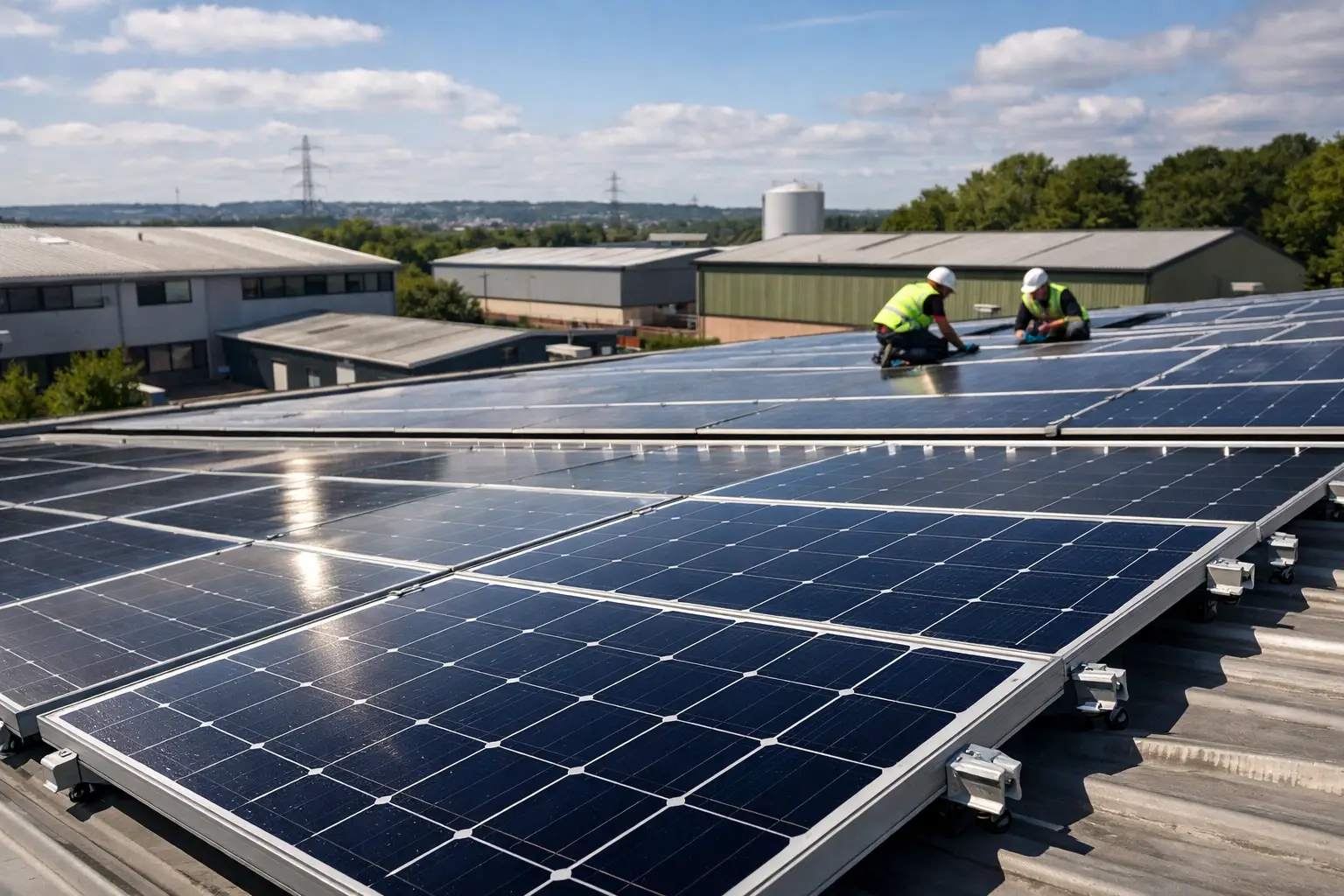
A warehouse roof sitting unused through the brightest part of the day is more than spare space. For a business with high daytime electricity use, it can be a practical source of power, lower exposure to grid prices and measurable progress towards environmental targets. A commercial solar installation turns that potential into an engineered energy asset, but the best results come from matching the system to how your site actually operates.
That means looking beyond panel numbers. A retailer, hotel, food manufacturer and managed residential block may all have suitable roof space, yet their consumption patterns, electrical infrastructure and operating constraints will be very different. A system should be designed around those realities, not around a standard package.
Start with the energy your business uses
The first question is not simply how many panels fit on the roof. It is when your business consumes electricity, how much it uses at different times and whether demand is likely to change. Half-hourly consumption data, where available, gives a clearer picture of daytime baseload, seasonal peaks and periods when solar generation will have the greatest value.
A business that runs machinery, refrigeration, kitchens, lighting or office equipment through the day can often use a large share of solar electricity as it is generated. This is usually the strongest financial case because every unit used on site is a unit not bought from the grid. Buildings with low daytime occupancy may still benefit, but battery storage, export arrangements or a different system size may need closer consideration.
Future plans matter as well. An expanded production line, electric vehicle charging, heat pumps or additional tenants can alter demand significantly. Designing with sensible capacity for growth can be worthwhile, provided the electrical connection and budget support it. Oversizing without a clear use for the energy, however, may extend payback rather than improve it.
What a commercial solar installation involves
A well-managed commercial solar installation is a project with several connected stages: survey, design, permissions, installation, commissioning and aftercare. Treating any one of these as an afterthought can create delays or compromise system performance.
Survey and technical design
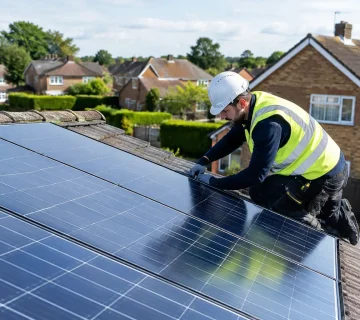
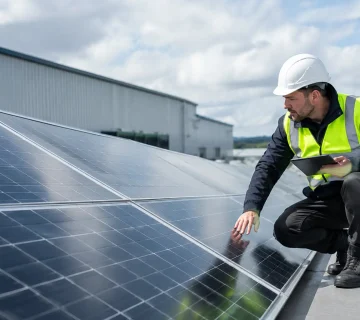
A property survey establishes what is physically and electrically possible. The team will assess roof dimensions, orientation, shading from nearby buildings or plant equipment, roof condition, access routes and safe working requirements. Ground-mounted arrays and car park canopies can also be considered where roof space is limited or unsuitable.
The electrical assessment is equally important. It identifies the existing supply arrangement, switchgear capacity, metering and the most efficient route for cabling and inverters. On a live commercial site, the design should also account for fire safety, maintenance access and how work can take place without unnecessarily interrupting operations.
Panel direction is not the whole story. South-facing arrays can maximise annual production, while east-west layouts can spread generation more evenly across the morning and afternoon. For organisations whose demand starts early and continues into the evening, that flatter generation profile can sometimes be more useful than the highest possible midday output.
Permissions, grid connection and compliance
Commercial projects can require planning checks, landlord consent, structural information, building-control considerations and approval for the connection to the distribution network. The requirements depend on the system size, location, building type and local restrictions, particularly for listed buildings or conservation areas.
The distribution network operator must understand how the proposed system will connect and whether export can be accommodated safely. This is not paperwork to leave until the end. Grid constraints can affect export capacity, equipment choices and project timescales, so they should inform the design from the outset.
A professional installer coordinates the technical documentation, follows applicable electrical and safety standards, and provides commissioning records once the work is complete. For a commercial decision-maker, this reduces the risk of having separate contractors point to one another when a question needs answering.
Installation around the working day
Installation is often more manageable than businesses expect, but it still needs planning. Roof access, deliveries, cable routes, noisy work and any required shutdowns should be agreed before the first panel arrives. In a hotel, retail site or food facility, that may mean scheduling work around guests, trading hours, hygiene procedures or production windows.
The physical installation includes mounting equipment, panels, inverters, protection devices, monitoring hardware and the connection to the building’s electrical system. Good workmanship is not only about a neat array. It is about weatherproofing, cable management, safe isolation, labelled equipment and an installation that remains accessible for inspection and maintenance.
Battery storage changes how solar can work for you
Solar panels generate most when daylight is strongest, which does not always align perfectly with a site’s demand. Battery storage can hold surplus electricity for later use, helping businesses use more of the power they produce after daylight hours or during higher-price periods.
A battery is not automatically right for every commercial project. If a site already consumes nearly all of its solar output during the day, the additional value may be limited. Where evening demand is substantial, export rates are modest, or resilience and control are priorities, storage can be compelling.
The case also depends on tariff structure, battery size, expected cycling and whether the system is intended to provide backup power. Not every battery installation will keep every circuit running during an outage. Backup capability requires a deliberate design, with agreed critical loads, appropriate changeover equipment and realistic expectations about duration.
Measure performance after commissioning
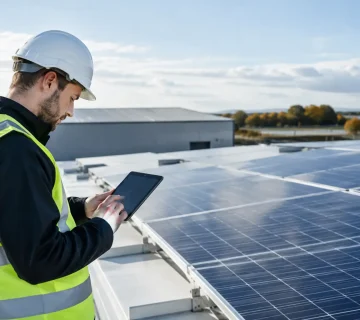
A solar system should not become invisible once it is switched on. Monitoring provides visibility of generation, consumption, battery behaviour and, where relevant, export. It helps a business verify that the system is performing as expected and spot faults before they become long periods of lost generation.
Performance reporting is especially useful for organisations with sustainability reporting requirements, multiple sites or a board-level focus on energy costs. The data can show avoided grid consumption and support more informed decisions about future efficiency measures.
Solar also works best alongside efforts to reduce waste. LED lighting, efficient refrigeration, improved controls and sensible load scheduling can lower demand while increasing the proportion of it covered by on-site generation. The aim is not simply to generate more electricity. It is to make each unit of electricity work harder for the business.
Choose a delivery partner, not just a panel supplier
The lowest initial quote is not always the lowest-cost project over its lifetime. Commercial systems involve structural, electrical, regulatory and operational decisions, and weak coordination can create expensive friction later. Ask who carries out the survey, who designs the system, who manages permissions and grid applications, and who will be available if the monitoring flags a problem.
You should also expect clear information on predicted production, assumptions behind savings estimates, equipment warranties, workmanship cover and maintenance options. Projections are useful for decision-making, but they should be presented as informed estimates rather than guarantees. Weather, site consumption, tariff changes and operating hours all affect the real-world outcome.
For London businesses and property operators, access restrictions, dense surroundings and complex roof layouts can make experienced project management particularly valuable. Shard Solar manages the process from property survey and quotation through to installation, commissioning and ongoing system care, so customers have a direct route to the team responsible for their energy project.
The strongest commercial solar projects are those that keep producing value long after installation day. Start with your load profile, be clear about what you want the system to achieve, and choose a design that supports the way your building works now while leaving room for where the business is heading.