A solar installation should not begin with a panel count. It should begin with how a building uses electricity, when that demand occurs and what the property can safely support. Solar system design engineering brings those details together, turning available roof space into a system that produces useful power, supports lower bills and can continue delivering value for years.
For a home, this may mean producing more of the electricity used during the day and storing surplus generation for the evening. For a business, it may mean reducing expensive daytime grid imports without interrupting operations. The right answer is different for every property, which is why thoughtful engineering matters before installation starts.
What solar system design engineering involves
Design engineering is the process of specifying a photovoltaic system around a real building rather than fitting a standard package. It considers the roof, the electrical supply, local shading, energy consumption and the owner’s priorities. The result is a clear technical plan for panels, mounting, inverters, cabling, protection equipment and, where appropriate, battery storage.
A good design also takes account of the conditions a system will face over its working life. Panels must be fixed securely, cable routes must be safe and practical, and electrical equipment needs to be sized and positioned for efficient operation and future access. Planning and grid requirements must be addressed early, particularly on larger commercial sites or properties with more complex connections.
This work is not simply about maximising generation on paper. A larger array can generate more electricity, but it may not provide the best return if much of that generation is exported at a lower value than the electricity it replaces. Equally, designing too cautiously can leave suitable roof space and savings unused. Engineering is where those trade-offs are examined properly.
Start with the property and its energy pattern
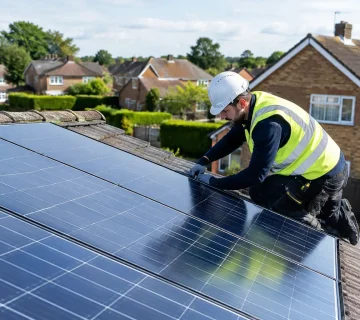
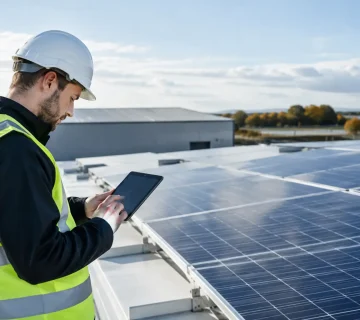
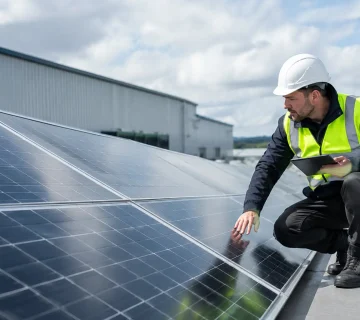
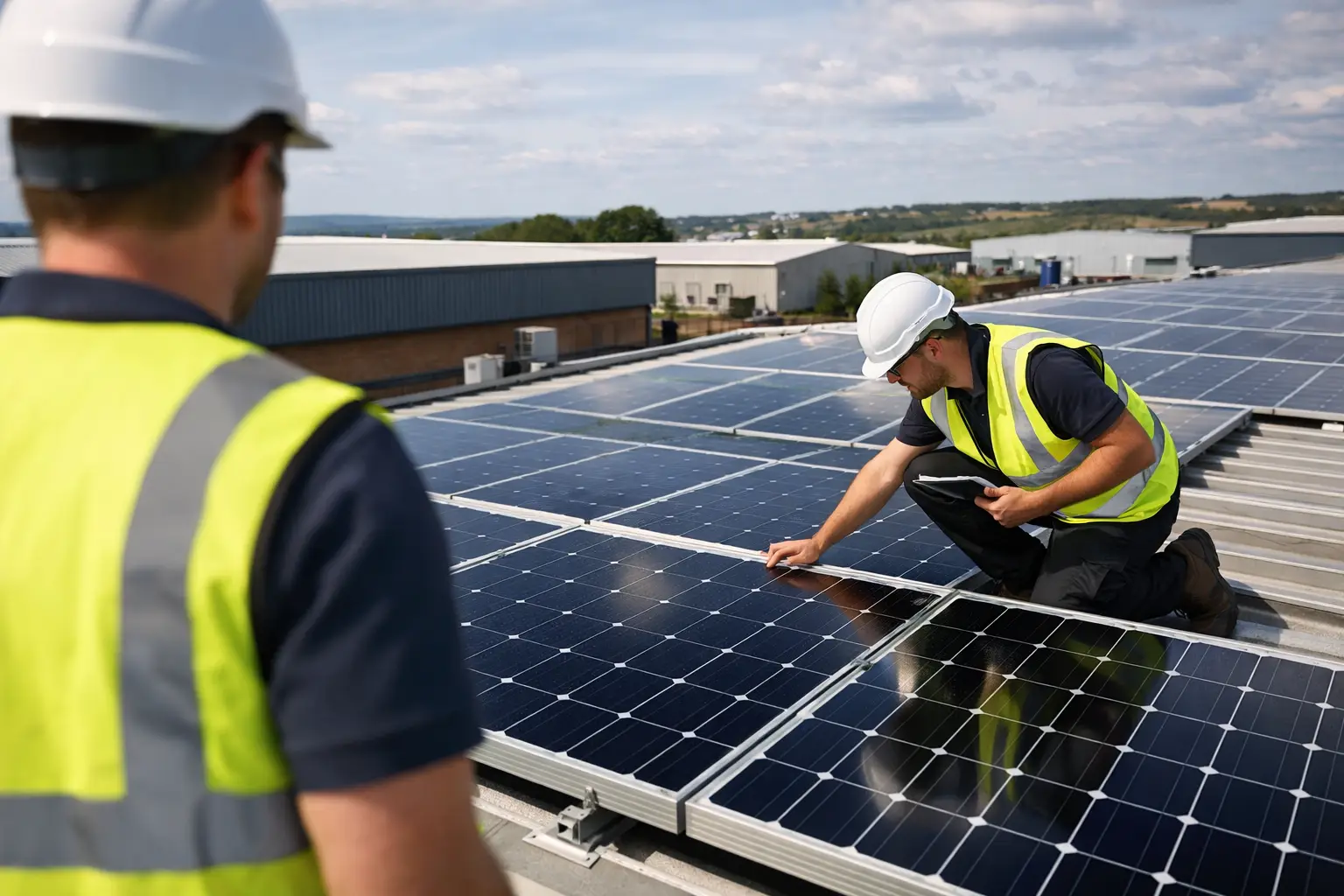
A property survey provides the foundation for every reliable solar project. The survey assesses roof orientation, pitch, usable area, shading from trees, chimneys or neighbouring buildings, roof condition and access for installation. On a commercial building, it may also consider roof loading, plant equipment, working-at-height arrangements and the practical need to keep the site operating throughout the works.
Energy data is just as valuable. Looking at electricity bills and half-hourly consumption information, where available, reveals whether demand is concentrated during business hours, spread into the evening or driven by seasonal equipment. A retailer with steady daytime demand, for example, may use a high proportion of solar generation directly. A household with occupants away during the day may benefit more from battery storage, timed appliances or EV charging that uses surplus solar power.
This is why quoted system sizes should be explained, not just presented. A well-designed proposal shows the expected production, likely self-consumption, estimated savings and any assumptions behind those figures. Weather varies and future energy use can change, so projections are estimates rather than guarantees. But transparent modelling gives property owners a sensible basis for decision-making.
Roof suitability is about more than direction
South-facing roofs often offer strong annual output, but east and west-facing arrays can be highly effective. An east-facing section produces earlier in the day, while a west-facing section can generate later, often matching the time homes and businesses begin using more electricity. A split array may therefore offer a better fit for consumption than a single south-facing layout.
Shading deserves close attention. Even partial shade can affect output, depending on how panels are connected and which equipment is selected. Detailed design can reduce its impact through panel layout and appropriate inverter technology, but there are limits. Honest advice sometimes means recommending a smaller system, changing the layout or deciding that a particular roof area is not worthwhile.
Choosing the equipment that fits the job
Panels are the most visible part of a solar installation, yet the supporting equipment determines how safely and effectively that generation is used. The inverter converts the panels’ direct current into electricity suitable for the building. Its capacity, location and connection arrangement must suit the array and the existing electrical system.
Battery storage changes the way solar power can be used. Rather than sending all surplus daytime production to the grid, a battery can hold energy for use after sunset or during periods of higher demand. It can help increase self-consumption and give owners greater control over their electricity use. It is not automatically the right choice for every project, however. Its value depends on generation, consumption timing, tariff structure, budget and the desired outcome.
For some properties, the priority is bill reduction. For others, it is support for critical loads or greater resilience when grid supply is disrupted. Backup capability requires specific design decisions and should never be assumed simply because a battery is installed. The system needs the right equipment, circuits and commissioning settings to provide power safely in an outage.
Electrical upgrades may also be required. Consumer units, distribution boards, earthing arrangements, isolators and cable capacity all need checking as part of the design. This is particularly relevant in older homes, multi-occupancy buildings and busy commercial premises. Addressing these points before works begin prevents avoidable delays and gives the completed system a stronger technical foundation.
Engineering for approvals, safety and minimal disruption
A solar project passes through more than installation. Depending on the property and system size, approvals, network applications and planning considerations may be needed. An experienced delivery team coordinates these requirements alongside the design, so the customer is not left to manage separate installers, electricians and paperwork providers.
Safety is built into every stage. Mounting systems must suit the roof construction and wind conditions. Electrical protection must be correctly specified. Equipment should remain accessible for testing, maintenance and eventual replacement. On commercial premises, the installation plan also needs to respect staff, customers, deliveries and operational hours.
That planning makes a material difference. A hotel cannot simply stop serving guests, and a food manufacturer cannot compromise critical production processes. Programme works around the building’s needs, agree access in advance and keep communication direct. The best installation is not only technically sound – it is delivered with as little disruption as possible.
Commissioning turns installed equipment into a working system
Once the panels, inverter and battery are in place, commissioning confirms that the system operates as designed. This includes electrical testing, configuration, safety checks and setting up monitoring. For battery-backed systems, it also means agreeing how the battery should prioritise solar charging, household or business demand and any tariff-led charging strategy.
Monitoring provides an ongoing view of generation and consumption. It helps owners see the contribution solar is making, identify changes in performance and make better use of the electricity they produce. A sudden fall in output can be investigated before it becomes a long-term loss of savings. Performance reporting can be particularly useful for landlords, developers and commercial operators responsible for several meters or sites.
Aftercare matters because a solar system is a long-term asset, not a one-day installation. Inspections, panel cleaning where conditions justify it, repairs and electrical maintenance all help preserve safe, efficient operation. Shard Solar manages the process from initial survey through installation, commissioning and continuing support, giving customers one experienced team to contact as their energy needs develop.
Designing for the next stage of energy use
A sensible solar design leaves room for change. A household may add an electric vehicle, heat pump or extension. A business may increase production, add refrigeration or occupy more of its building. Where practical, considering future demand during the first design can avoid unnecessary rework later.
That does not mean overspending on capacity that may never be used. It means making informed choices about inverter capacity, battery expansion options, cable routes and distribution space. The most successful systems are planned around today’s consumption while remaining realistic about tomorrow’s opportunities.
The next useful step is a property survey that looks beyond the roofline. With clear energy data, sound engineering and a design built around how the building actually operates, solar can become a dependable part of a lower-cost, lower-carbon energy plan.