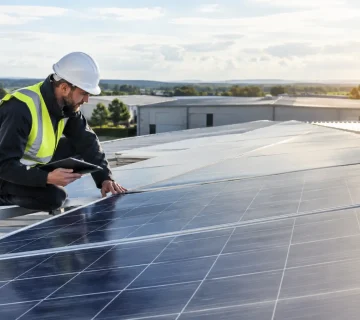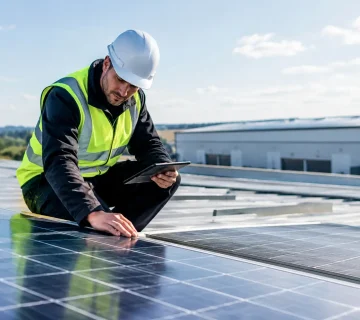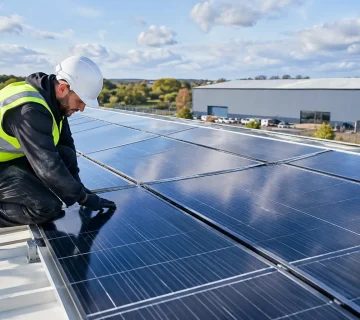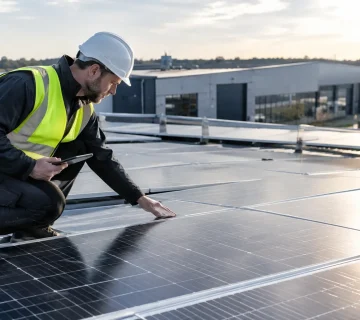
A solar PV system should work quietly in the background, turning daylight into useful electricity for your home, flat block or business. Solar panel maintenance is what helps it continue doing that efficiently – protecting your investment, supporting lower energy bills and spotting small issues before they affect production.
The good news is that modern solar systems need far less hands-on attention than many people expect. Panels have no moving parts, and a well-designed installation is built for years of outdoor exposure. However, “low maintenance” does not mean “forget about it”. Regular monitoring, sensible visual checks and professional support when something changes will help keep your system productive for the long term.
What solar panel maintenance actually involves
Maintenance is not simply washing panels. It is a combination of checking generation data, keeping the array free from avoidable shading or heavy debris, and ensuring the electrical equipment remains safe and operational.
For a typical homeowner, the most useful routine is to review the monitoring app or inverter display every few weeks. Look at how current generation compares with previous periods, allowing for changes in weather and daylight hours. A bright June day should not be compared directly with a cloudy December day, but a sudden and sustained drop in output is worth investigating.
For commercial properties, maintenance is usually more structured. A larger array may have multiple inverters, more complex cable routes and a greater financial impact when performance falls. Scheduled inspections, reporting and proactive fault checks can help site managers protect generation while avoiding disruption to normal operations.
Do solar panels need regular cleaning?
In much of the UK, rainfall removes a reasonable amount of light dust and pollen from tilted solar panels. This means annual cleaning is not automatically necessary for every system. Cleaning too often, using unsuitable products or walking on a roof can create more risk than benefit.
That said, location matters. Panels near busy roads, construction sites, trees, farms, industrial activity or coastal areas may collect dirt more quickly. Bird droppings can also create concentrated patches of shade, particularly where birds regularly perch above an array. If panels are installed at a shallow angle, water and debris may drain away less effectively.
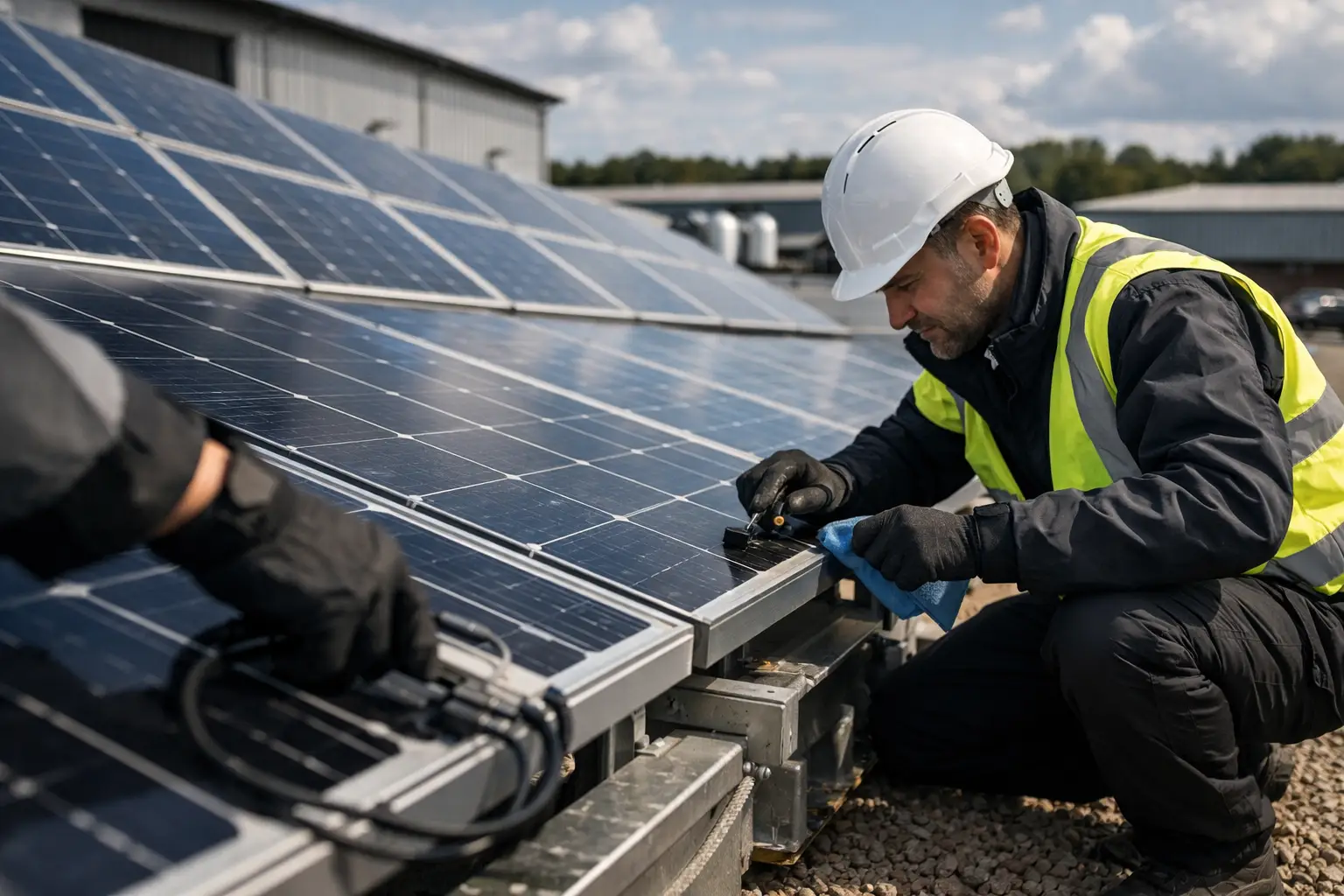
The practical question is whether soiling is affecting output. If monitoring shows an unexpected reduction in generation and there is visible dirt, professional panel cleaning may be appropriate. A trained team can assess access, use suitable equipment and avoid damaging seals, cables, roof coverings or the panel surface.
Avoid abrasive brushes, harsh household chemicals and high-pressure washers. These can scratch glass, force water into areas where it does not belong or invalidate product warranties. It is also unwise to clean roof-mounted panels yourself unless you have safe access and the correct equipment. A modest improvement in output is not worth a fall from height.
Monitoring is your first line of defence
Your monitoring platform is one of the most valuable parts of your solar system. It provides a view of daily generation and, in many cases, household or site consumption, battery charging and electricity imported from the grid.
Get familiar with the normal pattern of your system. Generation will rise in spring, peak through summer and reduce during shorter winter days. Cloud cover can make output vary considerably from one day to the next. The aim is not to expect identical figures, but to notice significant changes that weather alone cannot explain.
An inverter fault may show as no generation, an error message or a long period of unusually low output. If you have battery storage, check that it is charging and discharging in line with the settings agreed for your property. A battery may be configured to prioritise solar self-consumption, reserve capacity for backup power or charge at off-peak tariff times. Each approach has different benefits, so apparent behaviour is not always a fault.
If the app stops reporting, do not assume the panels have stopped working. It may be a Wi-Fi or communications issue. Even so, it should be resolved promptly because lost monitoring makes genuine performance problems harder to identify.
Checks you can carry out safely
A simple visual inspection from ground level a few times a year is usually enough for most residential systems. Look for new shading from tree growth, obvious debris, loose-looking conduit, pest activity around roof spaces and any warning lights on accessible equipment.
After storms or exceptional weather, check the system again once it is safe to do so. You are looking for visible damage, not attempting a repair. Do not touch cables, connectors or isolators, and do not remove inverter covers. Solar panels generate electricity whenever there is daylight, so electrical work should always be left to a qualified engineer.
Inside the property, keep the area around the inverter and battery clear, dry and well ventilated. Do not store boxes, cleaning products or other items against the equipment. Inverters produce some heat during operation, while battery systems need the conditions specified by their manufacturer to operate safely and effectively.
When to arrange a professional inspection
There is no single inspection schedule that suits every solar installation. It depends on system age, roof access, the local environment, equipment warranties and whether the property is residential or commercial. As a guide, a periodic professional inspection can provide reassurance, while commercial sites often benefit from planned maintenance tailored to their operational needs.
Arrange an assessment sooner if generation has dropped without a clear weather-related reason, the inverter displays a persistent fault, water ingress is suspected, or panels have been damaged by a storm. An inspection is also sensible before purchasing a property with an existing solar system, after significant roof works, or when expanding the installation with a battery, EV charger or additional panels.
A qualified engineer can inspect panel condition, mounting hardware, cable protection, isolators, inverter performance and system records. They can also verify that the system is operating as intended rather than merely appearing to be switched on. For businesses, clear performance reporting can support energy planning, maintenance budgets and sustainability reporting.
Common issues that affect output
The most common performance issues are often straightforward. Shading is a frequent cause, especially where trees have grown since installation or where new building work changes the surrounding environment. Even partial shade can have a noticeable effect depending on the system design.
Bird nests and rodents can also cause problems. They may disturb cabling, create debris beneath panels or restrict ventilation. Purpose-designed protection can help in locations with recurring pest activity, but it should be installed without compromising the array or roof.
Inverters generally have a shorter service life than solar panels, so they deserve particular attention as a system ages. A panel may continue producing for decades, while an inverter could eventually require repair or replacement. Planning for this possibility helps prevent an avoidable interruption to generation.
It is also worth checking that your electricity tariff, export arrangements and battery settings still suit how you use energy. A household that begins charging an electric vehicle or working from home may benefit from different battery schedules. A commercial site with changing opening hours may need its energy strategy reviewed. Good maintenance includes making sure the system continues to serve the property, not just the original design assumptions.
Protecting performance without over-maintaining
The best approach is measured and evidence-led. Monitor generation, inspect visually from a safe position and keep vegetation under control where appropriate. Clean panels when site conditions and performance data justify it, rather than treating cleaning as a fixed annual chore.
Keep commissioning documents, warranties, electrical certificates and maintenance records together. If a fault occurs, accurate records can make diagnosis faster and support any warranty claim. For landlords and commercial property managers, this also creates a useful history for future owners, facilities teams and compliance checks.
A solar system is designed to make energy more predictable: generating clean electricity during the day, charging a battery where fitted and reducing reliance on imported power. With attentive monitoring and the right professional care, it can continue delivering those benefits year after year. If something does not look or perform as expected, early advice from a qualified solar engineer is usually the simplest route back to confidence.