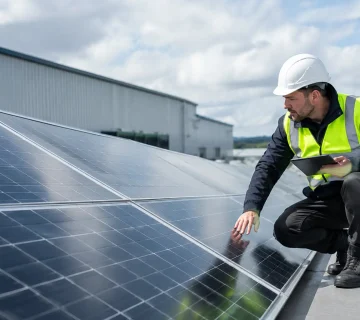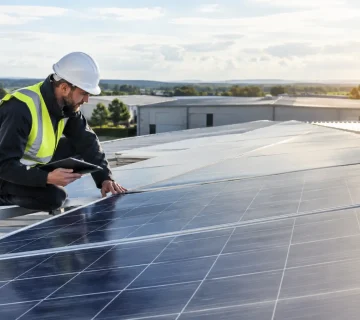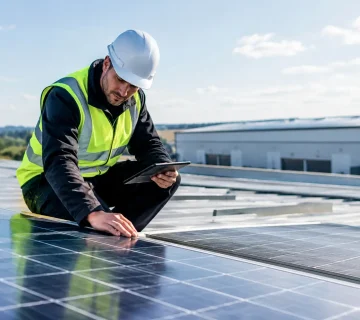
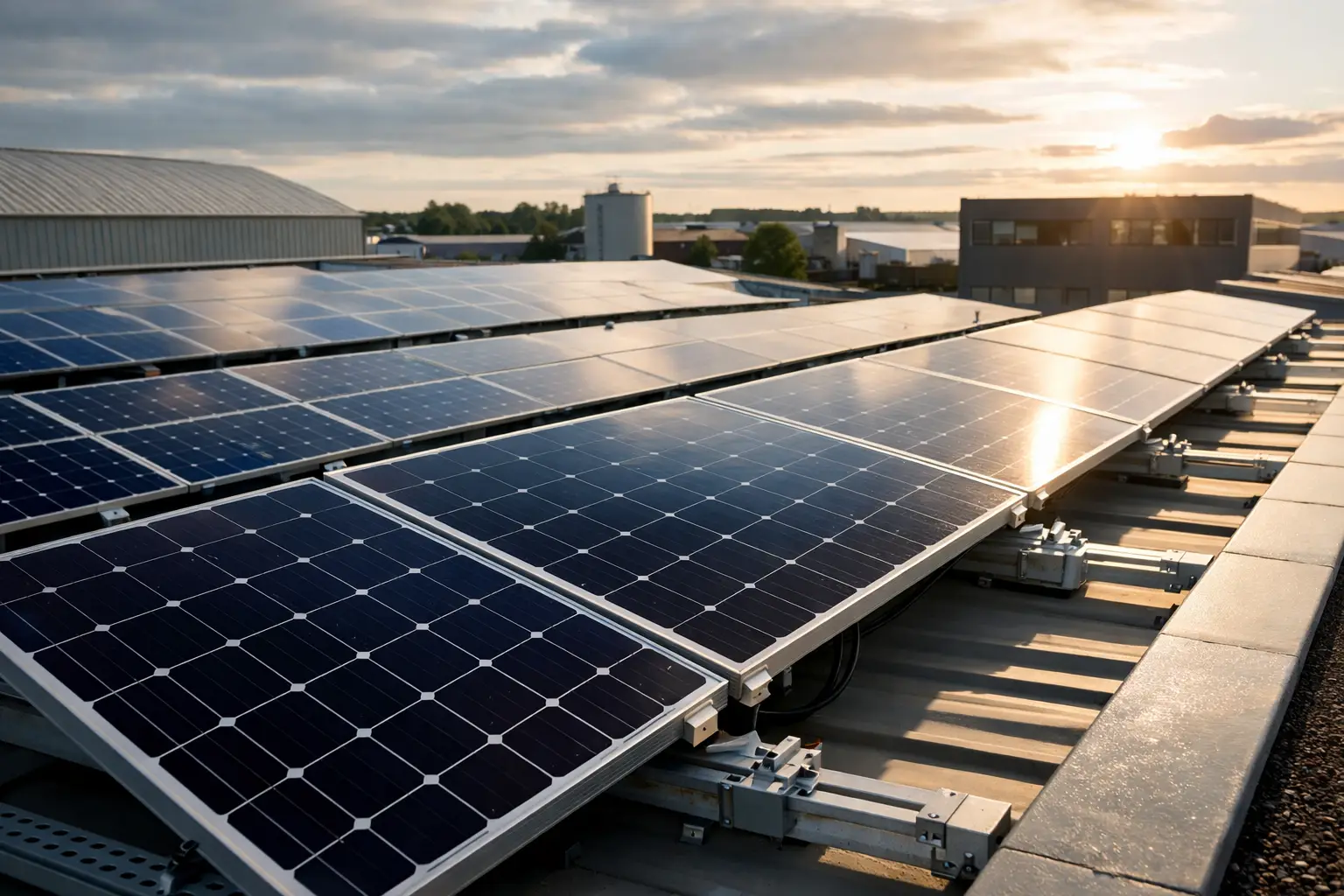
A solar system can generate plenty of electricity while you are out, then leave you buying power from the grid to cook dinner, charge devices and run heating controls after sunset. Learning how to optimise solar self consumption closes that gap. The aim is simple: use more of the clean electricity your panels produce on site, at the time it is generated or from a battery later on.
For homes, flats and commercial premises alike, higher self-consumption can mean lower imported electricity costs, less exposure to changing tariffs and better value from the system you have invested in. The right approach depends on your building, daytime demand, export tariff and whether battery storage is part of the design.
What solar self-consumption means
Solar self-consumption is the proportion of your solar generation that is used within your property rather than exported to the grid. If your panels generate 20kWh in a day and your home uses 12kWh of it directly or through a battery, your self-consumption rate is 60 per cent.
Exporting surplus power is not wasted. A suitable export tariff can provide a useful payment for electricity you do not need. However, exported electricity is often worth less than the power you later import from the grid. This is why shifting consumption towards solar-generating hours can improve savings.
There are two figures worth keeping separate. Self-consumption measures how much of your solar output stays on site. Self-sufficiency measures how much of your total electricity demand is met by solar. A property can have high self-consumption but low self-sufficiency if its overall electricity use is high, particularly in winter.
Start with your generation and usage profile
Before changing habits or adding equipment, look at the pattern behind your energy use. Your inverter app, smart meter data or system monitoring platform should show when panels are producing and when the building draws electricity from the grid.
In the UK, solar generation typically rises through the morning, peaks around the middle of the day and falls away in the evening. Yet many households use most energy before work and after returning home. Businesses may be better aligned if they operate during daytime hours, although large refrigeration, kitchen, manufacturing or air-conditioning loads need closer analysis.
A week of data is a useful starting point, but seasonal patterns matter. A sunny June week does not represent a dark December one. Reviewing several months of production and consumption gives a more realistic picture of the opportunity.
Check for avoidable daytime export
Look for regular periods when the system is exporting while appliances could be running. A washing machine, dishwasher, tumble dryer, immersion heater or EV charger may be scheduled more effectively. For commercial sites, this could include cleaning cycles, pre-cooling, laundry, food preparation or selected production tasks.
The objective is not to run every appliance at midday regardless of cost or convenience. It is to move flexible demand where it makes practical sense, without creating unnecessary energy use.
Shift flexible loads into solar hours
The lowest-cost improvement is often changing when you use electricity. Use delay-start functions or smart plugs to schedule suitable appliances between late morning and mid-afternoon, when generation is likely to be strongest.
Appliances with heating elements can consume significant power, so timing makes a noticeable difference. A dishwasher set to run at 1pm may use electricity that would otherwise be exported, while the same cycle at 8pm is more likely to rely on imported grid power.
Be realistic about household routines. If an appliance must run in the evening, it may be better supported by a battery than by an inconvenient schedule. Safety also comes first: do not run appliances unattended where manufacturer guidance advises against it.
For workplaces, scheduling needs to respect operations. A hotel cannot simply move guest demand, and a food manufacturer cannot compromise production quality. But a professionally reviewed load profile can identify equipment that can be controlled without disruption.
Use battery storage for the evening gap
Battery storage is one of the most effective ways to increase solar self-consumption. Instead of sending every midday surplus to the grid, the battery stores available solar electricity for use later, such as during the evening peak.
Battery capacity should be matched to both the system output and the property’s typical demand. An oversized battery may spend much of the year underused, especially through winter when solar generation is lower. A battery that is too small may fill by midday and still leave considerable surplus exported. The best size is not always the largest one.
The inverter and battery settings matter as much as the hardware. A well-configured system should prioritise household or site demand, then charge the battery from solar surplus, before exporting remaining electricity. Settings can also reserve capacity for backup power where the system has that capability, although backup provision requires suitable design and does not apply to every battery installation.
Some tariffs make it worthwhile to charge a battery from cheaper off-peak grid electricity as well as solar. This can reduce the cost of evening consumption, but it changes the calculation. If your priority is using as much self-generated electricity as possible, grid charging should be managed carefully rather than allowed to occupy capacity needed for solar the following day.
Add smart control to high-demand equipment
Smart controls can respond to surplus generation automatically, reducing the need to watch the weather forecast or adjust schedules each day. They are particularly useful for larger flexible loads.
An EV charger with solar-aware charging can increase charging speed when surplus power is available and reduce it when household demand rises. This is often more practical than charging solely from solar, as charging windows, battery size and driving requirements still need to be considered.
An immersion diverter can send excess solar electricity to heat water in a cylinder. This can work well in properties with a suitable hot-water system, reducing reliance on another fuel source at certain times of year. It is less relevant for homes without a cylinder and should be assessed alongside the cost of hot water from gas, electricity or a heat pump.
Heat pumps can also benefit from intelligent controls, particularly where a property can pre-heat hot water or gently raise internal temperatures while solar output is available. Comfort, building fabric and weather compensation remain more important than chasing every watt of solar generation. Poorly considered control settings can increase consumption rather than reduce it.
Design the system around real energy use
The ability to optimise solar self-consumption begins at the design stage. Panel orientation, roof space, shading, inverter capacity, battery size and electrical infrastructure all shape the result.
A south-facing array usually produces the highest annual generation per panel, but an east-west layout can spread output across more of the day. For a household with morning and late-afternoon demand, that broader generation profile may improve direct use of solar electricity. For a commercial property with strong midday demand, a different design may be preferable.
Shading also deserves careful attention. Chimneys, neighbouring buildings, trees and roof structures can affect output at specific times. Module-level power electronics may help in some layouts, but they are not a universal answer. A site survey and considered system design are more valuable than selecting equipment in isolation.
If you are planning an extension, heat pump, electric vehicle or a change in business operations, factor those future loads into the system specification. A solar system should suit the property you expect to use, not only the electricity bill from last year.
Monitor performance and maintain the system
Self-consumption is not a set-and-forget figure. Monitoring shows whether a battery is charging as expected, whether exported power has risen unexpectedly and whether a change in routine has affected savings.
Review your data periodically, particularly after adding an EV, changing tariffs or replacing a major appliance. If production appears lower than expected, investigate possible shading growth, inverter alerts, faults or soiling. Panels do not need frequent cleaning in every location, but heavy dirt, bird droppings or nearby construction can justify inspection.
For landlords and commercial operators, clear performance reporting is especially valuable. It supports budgeting, helps identify unusual consumption and provides evidence of the system’s contribution to energy and sustainability targets.
Make decisions using pounds as well as percentages
A high self-consumption percentage feels satisfying, but it should not become the only goal. Running an appliance simply to avoid export can cost more than the value of the electricity used. Likewise, installing the biggest available battery is not automatically the strongest financial choice.
Compare the import cost you avoid with the export payment you give up, then consider equipment cost, expected usage and likely tariff changes. The most effective solution is usually a balanced one: sensible daytime scheduling, appropriately sized storage, clear monitoring and controls that fit everyday life.
A detailed property survey can turn this from a general ambition into a workable plan. With the right system design and a few practical changes to when energy is used, your solar generation can do more of the work after it leaves the roof.