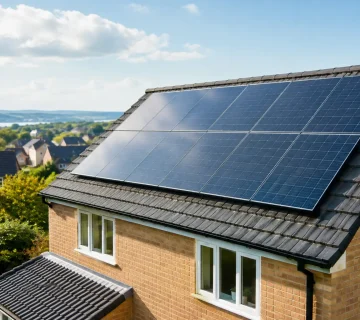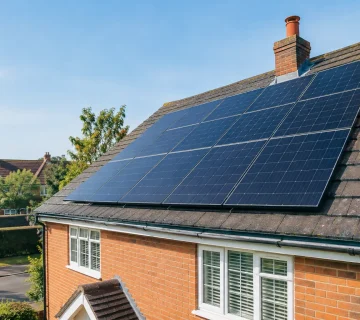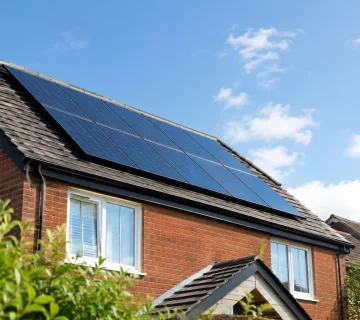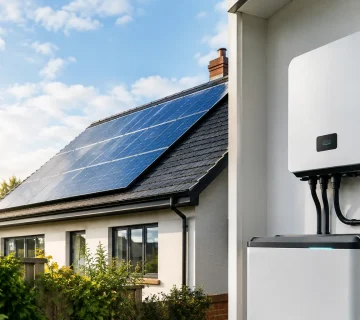
A solar installation may begin on the roof, but its safe, reliable operation depends just as much on the electrical equipment inside the property. If you are researching how to upgrade a solar consumer unit, the key point is that this is not simply a case of making room for another circuit. Your consumer unit must be assessed for capacity, condition, protection and compatibility with the proposed solar and battery system.
For many homes and commercial buildings, an upgrade is the sensible step that allows solar generation to work safely alongside everyday electrical demand. It can also provide a clearer, more maintainable installation for years to come.
What is a solar consumer unit upgrade?
A consumer unit, often called a fuse box, distributes electricity around a building and protects circuits in the event of a fault. Solar panels generate DC electricity, which an inverter converts into AC electricity for use by your property. That AC supply needs a correctly designed connection to your existing electrical installation.
A solar consumer unit upgrade can mean one of two things. In some properties, a qualified electrician can add a dedicated solar supply and protective devices to the existing consumer unit. In others, the existing board is outdated, full, damaged or unsuitable for the new installation. It may then need replacing, or the solar system may require a separate consumer unit installed alongside it.
The right answer depends on the property, the system design and the condition of the electrical installation. A professional survey should determine this before installation begins, rather than treating the consumer unit as an afterthought.
Why the consumer unit matters for solar and batteries
Solar changes the direction of electricity flow within a building. Traditionally, electricity enters from the grid and is distributed to circuits such as lighting, sockets, appliances and heating. With solar, electricity can also be generated on site and supplied into the property. If you add a battery, energy may be stored and discharged later, often when solar production falls and household demand rises.
That makes correct protection, isolation and circuit design essential. A well-planned consumer unit arrangement helps to protect people, cables, appliances and the solar equipment itself. It also allows an electrician to isolate the solar supply safely for maintenance, testing or emergency work.
For landlords, managing agents and commercial property owners, clear labelling is particularly valuable. Future maintenance teams need to know that a building has more than one source of electricity and understand where each source can be isolated.
Older fuse boxes can be a warning sign
A property with rewireable fuses, ageing circuit breakers, visible heat damage or an overcrowded board should be investigated carefully. Older equipment is not automatically unsafe, but it may not offer the protection or spare capacity required for a modern solar installation.
Likewise, a newer consumer unit is not always ready for solar. It may have no usable ways left, unsuitable protective devices or an arrangement that does not support the inverter manufacturer’s requirements. An inspection is the only dependable way to establish what is needed.
What a qualified electrician should assess
Before any work is quoted or designed, the electrical survey should look beyond the consumer unit cover. The incoming supply, earthing arrangement, main switch rating, cable routes and likely energy demand all influence the final design.
A competent assessment will normally consider the following areas:
- The age, condition and available capacity of the existing consumer unit.
- The rating and condition of the incoming supply, meter tails and main fuse.
- Earthing and bonding arrangements, which are fundamental to electrical safety.
- The proposed inverter output and whether a battery, EV charger, heat pump or other high-demand equipment is also planned.
- Required isolation, circuit protection and surge protection.
- Cable sizes, routing and the practical location of the inverter and battery equipment.
- Distribution Network Operator requirements for the proposed export capacity.
This assessment matters because solar is rarely the only electrical change a property will make. A homeowner may want an EV charger next year. A hotel or retailer may be planning kitchen equipment, air conditioning or additional refrigeration. Designing with the wider energy plan in mind can avoid disruptive, repeated upgrades later.
How to upgrade a solar consumer unit: the typical process
The upgrade process should be planned as part of the complete solar design, not booked as a separate job without context. The sequence below shows what a professional installation generally involves.
1. Survey the existing electrical installation
An electrician inspects the current consumer unit and associated supply equipment, then identifies whether the system can be extended safely or needs a replacement or additional board. They should also discuss how you use energy, including daytime occupancy, electric heating, EV charging and the value of battery storage.
At this stage, photos, test results and a clear explanation of any recommended work are useful. You should understand whether the electrical changes are necessary for safety, system performance, future capacity or a combination of all three.
2. Design the solar connection and protection
The solar inverter requires a dedicated circuit. Depending on the design, this may include suitable circuit breakers or RCBOs, AC isolators and surge protection devices. The precise protection specification varies with the inverter, the building’s electrical arrangement and current wiring requirements.
Battery systems add another layer of design. Some batteries support backup circuits during a power cut, while others are designed mainly to store solar energy for later use. Backup power is not automatic. If resilience during an outage is a priority, the critical circuits and changeover arrangement need to be designed specifically for it.
3. Replace, extend or add a separate consumer unit
If the existing unit is in good condition and has suitable capacity, it may be possible to add the solar circuit directly. If it is not suitable, the electrician may replace it with a modern unit or install a dedicated enclosure for solar and battery equipment.
There are trade-offs. Replacing the main consumer unit can be the tidiest long-term option, especially when an old board is nearing the end of its useful life. A separate solar consumer unit can reduce disruption where the main board is relatively modern, but there is enough space nearby for additional equipment. The best approach is the one that meets safety requirements while fitting the building and its future plans.
4. Install, test and commission the system
Once the consumer unit work and solar equipment are installed, the electrician carries out testing to verify the circuits, protective devices, earthing and isolation arrangements. The solar system is then commissioned so the inverter, generation monitoring and any battery controls work as intended.
You should receive the relevant electrical certification and clear information on isolators, system monitoring and what to do if a fault is indicated. For eligible grid-connected installations, the necessary Distribution Network Operator notification or approval process should also be handled correctly.
Protection features you should expect
The exact equipment will differ between projects, but quality solar electrical work should never rely on vague assurances. Your installer should be able to explain the protective devices being used and why they are appropriate.
Modern installations commonly include dedicated overcurrent protection, residual-current protection where required, isolation points and surge protection. Surge protection can be especially worthwhile because solar inverters, monitoring equipment and batteries contain sensitive electronics. The design must also account for the inverter manufacturer’s instructions, rather than applying a one-size-fits-all arrangement.
Clear labels are equally important. The consumer unit, main supply position, inverter and any battery isolation points should identify the presence of solar generation. This helps electricians, emergency services and future owners understand the installation quickly.
Do not treat this as a DIY upgrade
Consumer unit work and solar connections should be carried out by a suitably qualified electrician working to current UK electrical requirements. Incorrect connections can create shock, fire and equipment-damage risks, while poor documentation may cause problems during future maintenance, insurance discussions or a property sale.
It is also unwise to buy a consumer unit or protective devices before a survey. Two systems with the same number of panels can need different electrical arrangements because their inverter rating, cable route, earthing system, battery specification and building load are different.
Plan for the way you want to use energy
A solar consumer unit upgrade is an opportunity to prepare the property for more than panel generation. If you want to charge an EV, run a heat pump, add battery storage or reduce peak-time grid use, say so at the survey stage. A thoughtful design can support those ambitions without unnecessary repeat work.
Shard Solar approaches solar as a complete energy system, combining electrical assessment with system design, installation, commissioning and ongoing support. That joined-up approach helps ensure the equipment on the roof, the inverter on the wall and the protection at the consumer unit all work together properly.
The most useful next step is simple: arrange a professional electrical and solar survey before committing to equipment. A properly designed consumer unit upgrade does more than connect panels to your property – it gives you a safer foundation for generating, storing and using your own clean electricity.