A home may use very little electricity at midday, then demand the most power just as the sun goes down. That timing gap is the key to answering, “can solar panels run a whole house?” For many UK households, a well-designed solar system can generate enough electricity across a year to cover most or all of their annual use. Running entirely from solar power at every hour of every day is a different challenge.
The right answer depends on your roof, household consumption, when you use energy and whether you add battery storage. A professional design looks beyond panel numbers to build a system that works for the way your property actually operates.
Can solar panels run a whole house?
Yes, solar panels can power the electrical loads in a whole house, including lighting, appliances, home office equipment and, with the right system design, larger demands such as an EV charger or heat pump. During sunny periods, a suitably sized array may produce more electricity than the home is using at that moment.
However, panels do not produce electricity after dark, and their output falls in winter. In the UK, short days, cloud cover and low sun angles mean a system that meets your needs beautifully from spring to early autumn will not necessarily cover every unit of winter consumption.
Most homes therefore remain connected to the grid. Solar reduces the electricity you need to buy, while the grid supplies power when solar generation and stored battery energy are unavailable. This is often the most practical, cost-effective route to greater energy independence without compromising everyday comfort.
A genuinely off-grid home is possible, but it usually requires a much larger solar array, substantial battery capacity and often another backup generation source. It also calls for careful management of high-demand appliances. For a typical London or wider UK property, grid-connected solar and battery storage is normally the better balance of savings, reliability and installation cost.
Start with how much electricity your home uses
System sizing begins with your electricity consumption, not with the number of panels that fit on a roof. Your annual electricity bill provides a useful starting point, but half-hourly or smart-meter data gives a clearer picture of when you use power.
A household using 3,000 kWh a year has very different needs from one using 8,000 kWh because it charges an electric vehicle, works from home and runs a heat pump. Usage patterns matter too. A family that uses appliances through the day can consume more solar power directly than a household that is empty until the evening.
Your installer will consider the following factors together:
- Annual and seasonal electricity consumption
- Roof size, orientation, pitch and shading
- Available inverter capacity and electrical infrastructure
- High-load equipment, such as EV chargers, immersion heaters and heat pumps
- Whether battery storage, export payments or backup power are priorities
This assessment avoids a common mistake: choosing a system based only on a neighbour’s installation or a headline panel output. The best system is the one that produces and stores energy in line with your home’s demand.
A simple example
Suppose a home uses around 4,500 kWh of electricity each year. A solar array may generate a significant share of that requirement annually, depending on its size and roof conditions. But generation will be concentrated in daylight hours and in the brighter months.
Without a battery, surplus solar power at lunchtime may be exported while the home imports electricity for cooking, laundry and lighting in the evening. Adding a battery lets the household retain more of its own generation for later. It does not create extra solar energy, but it can make the energy you generate much more useful.
Why battery storage changes the picture
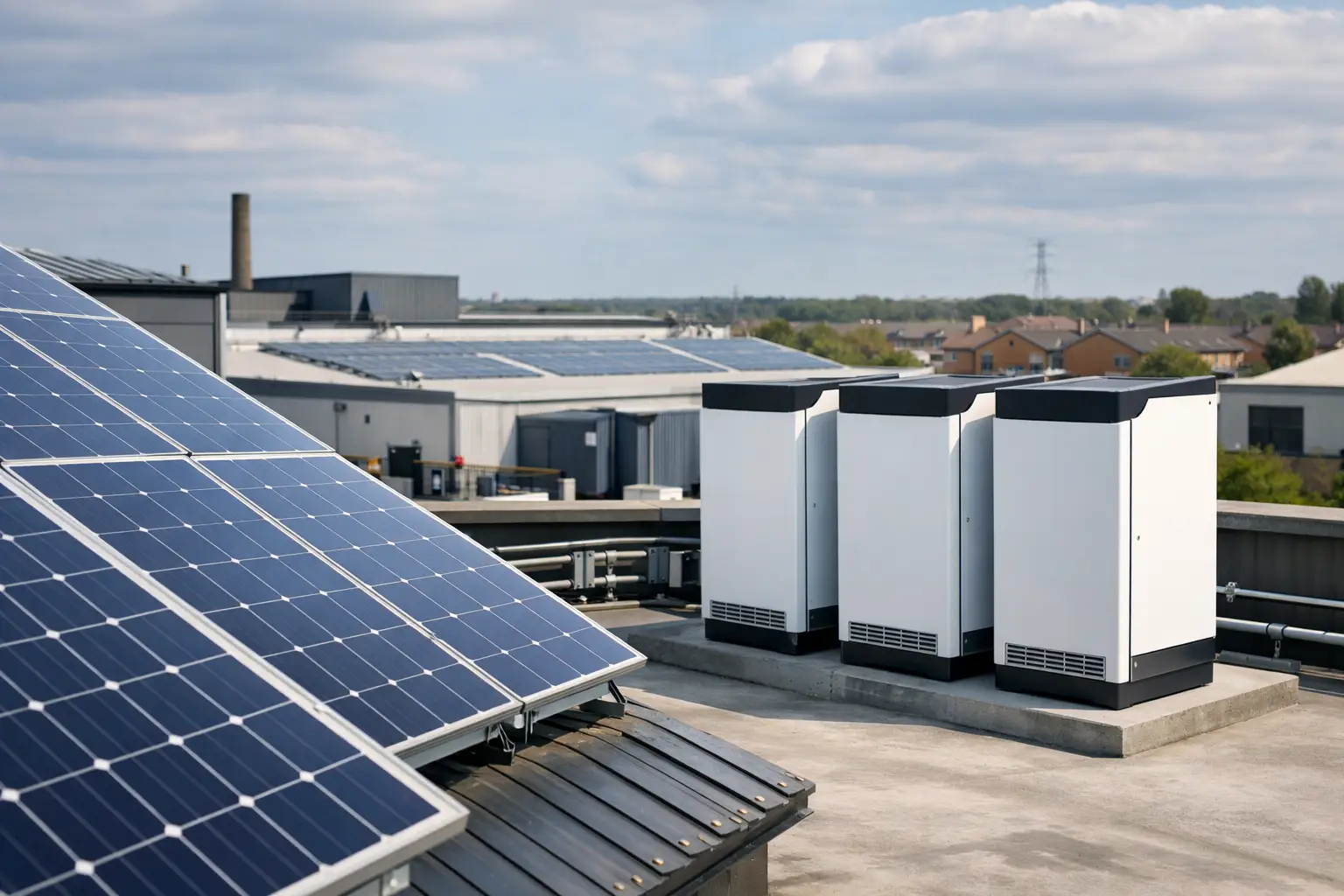
Battery storage is often what makes solar feel like it is running the house rather than simply reducing a bill. When panels produce more than the property needs, the battery charges. After sunset, that stored electricity can supply many normal household loads before grid power is needed.
The right battery size depends on daytime surplus and evening use. An oversized battery may spend much of the year underused; an undersized unit may fill quickly and leave you importing power earlier than expected. It should be specified as part of the complete system, not added as an afterthought.
A battery can also help you make better use of lower-cost off-peak electricity tariffs, where suitable. This can be particularly valuable for homes with an EV or heat pump, although tariff rules and household needs should always be checked carefully.
Backup power is a separate consideration. Not every solar battery system will continue powering a property during a grid outage. For this, the installation needs appropriate backup capability, safe isolation arrangements and a clear plan for which circuits will be supported. Some owners choose to protect essential circuits, such as refrigeration, broadband, lighting and selected sockets, rather than trying to run every high-load appliance at once.
The appliances that affect your design most
Solar can support almost any domestic electrical appliance, but a few loads have an outsized impact on system design. Electric showers, ovens, kettles and induction hobs draw substantial power for short periods. Heat pumps and EV chargers can use large amounts of energy over longer periods.
That does not mean solar is unsuitable for an all-electric home. It means the system needs to be engineered around realistic demand. Smart controls can, for example, schedule EV charging or water heating for periods of strong generation. A battery can cover some evening demand, while the grid remains there for peaks that would be expensive to design around.
For homes considering a heat pump, energy-efficiency improvements deserve equal attention. Better insulation, draught reduction and sensible heating controls reduce overall consumption, helping solar generation go further. Generating clean electricity is valuable; wasting less energy makes it more valuable still.
What to expect through a UK year
Summer can create the impression that a home is completely solar powered. Long daylight hours and stronger sunlight often mean excellent generation, with enough surplus to charge a battery and export electricity.
Winter is the reality check. Electricity use tends to rise with lighting, heating-related demand and more time indoors, while solar output falls. A system designed for sensible annual performance will still produce useful energy, but grid imports are likely to increase during darker weeks.
This seasonal contrast is normal, not a sign that solar has failed. The aim is to reduce purchased electricity over the year, use as much of your own clean generation as possible and give your household more control over energy costs. Monitoring software makes this visible, showing what the panels are producing, what the home is consuming, what the battery is storing and what is being imported or exported.
A roof survey is more valuable than a rough estimate
Online calculators can provide a starting figure, but they cannot see shading from chimneys, trees or neighbouring buildings. They cannot assess roof condition, cable routes, consumer-unit capacity or the way your household uses energy. These details affect both output and installation options.
A proper property survey should identify the usable roof area, assess shading, review the electrical setup and discuss future plans. If you expect to buy an EV, install a heat pump, extend the house or convert a loft, it is worth designing with that future demand in mind.
Shard Solar takes this whole-property approach, from survey and system design through installation, commissioning and ongoing care. The goal is not simply to fit panels, but to build a dependable energy system that suits the property and gives clear visibility of performance.
Make solar power work harder at home
The most effective solar households do not need to change their routines completely. Small shifts can increase the amount of solar electricity used on site. Running the dishwasher, washing machine or tumble dryer during brighter daytime hours can help, as can scheduling EV charging when generation is high.
Automation makes this easier. Smart chargers, battery controls and energy monitoring can respond to available solar power without requiring daily attention. The result is a home that uses more of its own electricity, exports less unnecessarily and relies less on imported power when conditions allow.
Solar panels can run a whole house in the sense that they can supply its electrical needs when generation is available. With a correctly sized array, battery storage and sensible controls, they can cover a substantial proportion of annual consumption too. The most rewarding approach is not to chase an unrealistic promise of year-round off-grid living, but to design a system that gives your home cleaner power, lower reliance on the grid and confidence every time the sun comes out.