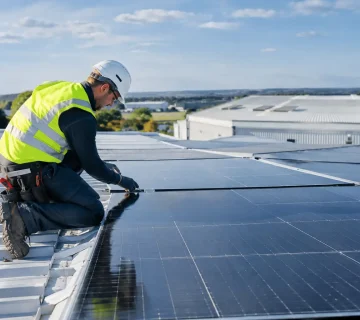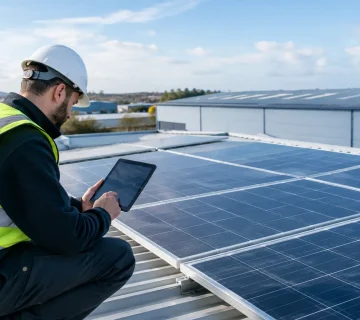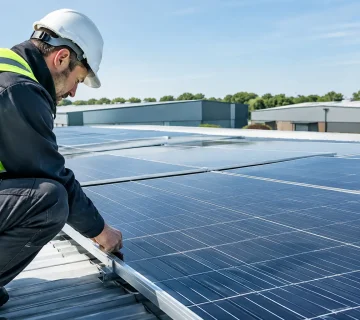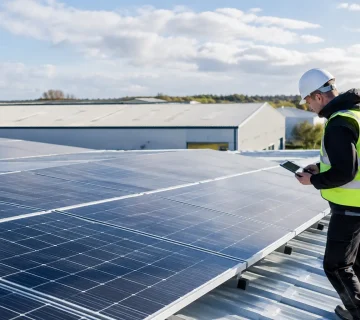
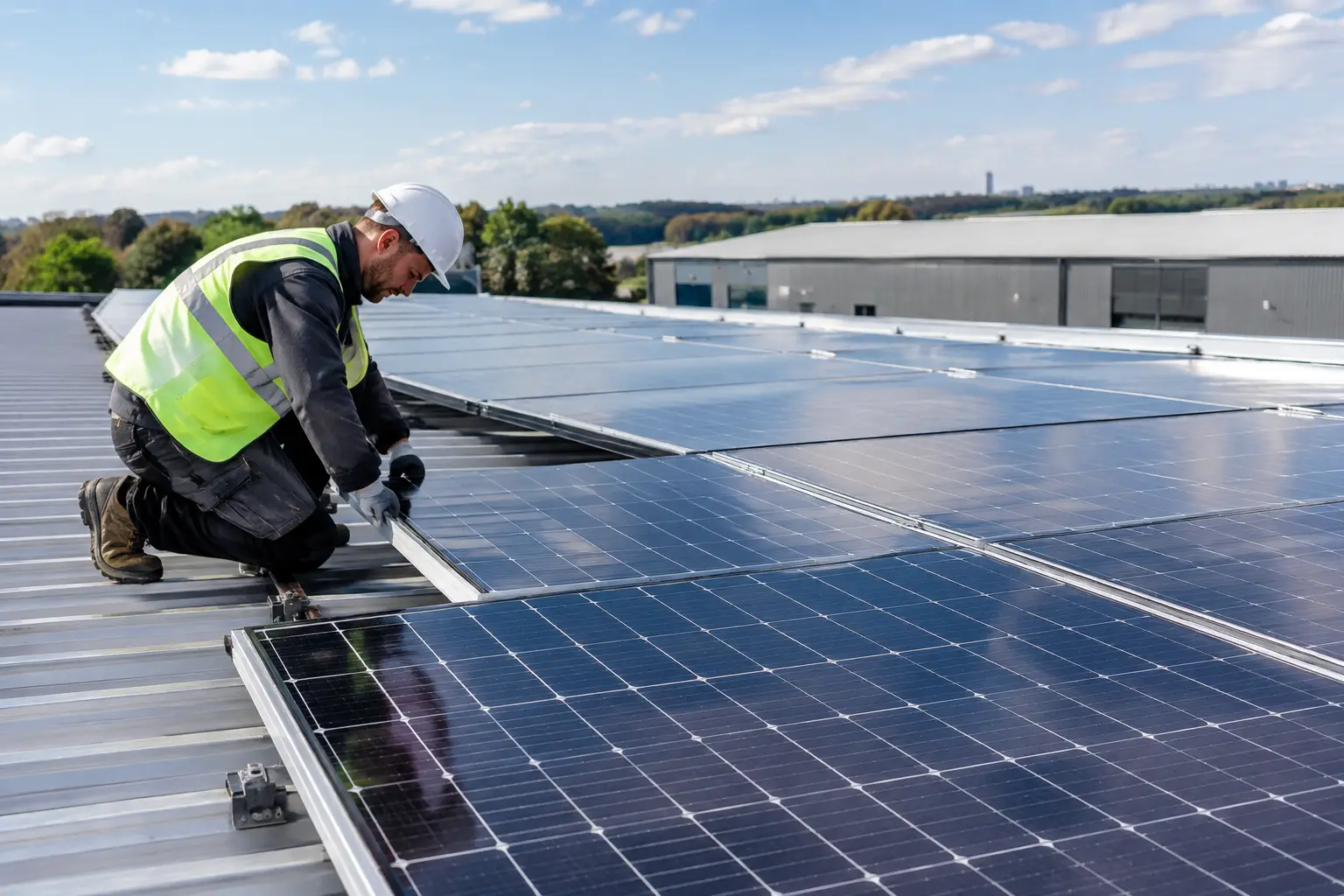
A roof that sits in full daylight while your business buys electricity at peak daytime rates is more than unused space. It may be an opportunity to generate power where it is needed. London commercial solar gives organisations a practical route to lower grid reliance, improve cost control and make visible progress against sustainability commitments – but the right system starts with the building, the operating hours and the way energy is actually used.
For a retailer, hotel, warehouse, food producer or residential block, solar is not simply a panel count. It is an engineered energy asset. A well-planned installation must work safely with the property, deliver useful generation across the year and fit around the demands of the business.
Why commercial solar makes sense for London businesses
Commercial electricity use often peaks during the same daylight hours that photovoltaic panels produce their most useful output. Offices run equipment and cooling systems, shops operate lighting and refrigeration, and hospitality venues manage kitchens, laundry and guest facilities. Using solar electricity directly on site can reduce the amount of power purchased from the grid at those times.
The financial case is strongest where there is steady daytime demand. Every site is different, however. A building with a large roof but limited daytime consumption may need a different approach from a food manufacturing facility with a consistent base load. Battery storage can retain surplus generation for later use, while export may be possible where a suitable arrangement is in place. Neither option should be assumed before the consumption profile has been reviewed.
There is also a strategic benefit. Businesses are increasingly expected to demonstrate how they are reducing operational emissions. On-site generation is tangible, measurable and visible in performance reporting. It can support environmental targets while helping facilities teams understand when and where energy is being consumed.
Start with the energy demand, not the panels
The first question is not how many panels will fit on the roof. It is how much electricity the site uses, at what times, and how that demand may change over the life of the system. Half-hourly consumption data, where available, is particularly useful because it reveals daily patterns that monthly bills can hide.
A site that uses most of its power between 8am and 6pm may be able to consume a high proportion of solar generation directly. A property with heavy evening demand may benefit from battery storage, load shifting or both. If the business intends to add electric vehicle chargers, heat pumps, new machinery or additional refrigeration, these plans should be included in the design from the outset.
This assessment also avoids a common mistake: installing the largest possible array without considering the value of each additional unit generated. Maximising roof coverage can be appropriate for some sites, especially where demand is high throughout the day. On others, a system designed around self-consumption may produce a better commercial result. The objective is useful, affordable generation, not simply a dramatic panel total.
What makes a roof suitable?
London has a varied commercial property landscape, from modern logistics buildings and retail units to converted industrial premises and period blocks. Solar can work across many of them, but a professional survey is essential.
The roof structure must be assessed to confirm it can accommodate the proposed mounting system and panel load. Its condition matters just as much as its size. If significant repairs or replacement are likely in the near future, it is usually sensible to address those works before installing solar. Removing and reinstating panels later is possible, but it adds cost and disruption.
Orientation, pitch and shading also affect output. South-facing roof areas are valuable, yet east- and west-facing arrays can be very effective because they spread production across the morning and afternoon. This can suit businesses with long trading hours. Shading from neighbouring buildings, plant equipment, parapets, trees and rooftop structures needs careful modelling. In dense parts of the capital, this detail can make a meaningful difference to annual generation.
Roof access, fire safety routes, drainage, equipment location and planning considerations all need to be considered before work begins. For leasehold sites, landlords, managing agents and tenants may each have a role in approving the project. Bringing those parties into the conversation early prevents avoidable delays.
London commercial solar needs a sound electrical design
Panels are only one part of the system. Inverters convert the panels’ direct current into usable alternating current, while protection equipment, cabling and the point of connection must be designed for the building’s electrical infrastructure. An installation that looks straightforward on a roof may require detailed work at the distribution board or meter position.
The existing supply capacity and connection arrangement should be checked early. A proposed system may need approval from the relevant network operator, particularly if it is larger or intended to export significant electricity. These requirements can influence programme timescales and design choices, so they should form part of the initial feasibility work rather than becoming a late-stage surprise.
Battery storage can add another layer of value. It may store solar energy that would otherwise be exported, support evening use and reduce exposure to periods of higher demand. Yet batteries are not automatically the right answer for every project. Their capacity, charge and discharge rates, operating strategy, space requirements and expected cycling all need to match the site. A battery that rarely charges from surplus solar may not provide the expected return.
Designing around operations and disruption
Commercial projects succeed when the installation programme respects the way a site works. A hotel cannot simply close its services for electrical works. A retailer needs safe access for customers and staff. A manufacturing business may have production windows that cannot be interrupted.
This is where end-to-end project management matters. A clear survey should identify access routes, lifting requirements, working-at-height controls, cable routes and any sensitive operating areas. Installation can then be planned around trading hours, deliveries, tenants and critical equipment. Good communication is as important as the technical design, particularly when multiple stakeholders are involved.
Before accepting a quotation, decision-makers should be clear on what is included. A useful commercial proposal should explain the expected system size, estimated generation, likely self-consumption, equipment specification, assumptions behind savings forecasts, electrical works, permissions support, commissioning and warranties. It should also state anything that may require further investigation, rather than hiding uncertainty behind optimistic figures.
Monitoring turns generation into management information
Once a system is commissioned, its value should not be left to chance. Monitoring allows the business to see generation, consumption patterns and, where fitted, battery activity. It can help identify faults, unusual drops in output or changes in site demand that affect performance.
For property owners and facilities managers, regular reporting creates a clearer record of results. It supports internal sustainability reporting and can inform future energy decisions, such as whether further efficiency measures, storage or EV charging would improve the overall picture. Solar performs best as part of a wider energy plan, alongside sensible controls, efficient equipment and informed operational habits.
Maintenance requirements are generally modest, but they are not zero. Panels should be inspected when appropriate, electrical components should be maintained professionally, and soiling or nearby new shading should be investigated if generation falls unexpectedly. Ongoing care protects both performance and the long-term value of the investment.
A practical route from survey to savings
A well-run project should make the process manageable for a busy commercial team. At Shard Solar, the process begins with a free property survey, followed by a detailed quotation within 48 hours where the required information is available. The design and installation plan can then be developed around the building, energy use and operational needs, with commissioning and aftercare providing support once the system is live.
The most useful next step is to gather recent electricity information and arrange a site assessment. Be open about roof works, landlord permissions, expansion plans and operational constraints. The better the starting information, the more accurate the design and commercial forecast can be.
A commercial solar system should give a business more than panels on a roof. It should provide dependable on-site generation that fits the property, the people who use it and the direction the organisation is heading. With the right survey and design, the electricity already falling on your building can start working harder for it.