
A solar panel installation does more than place panels on a roof. The system must safely turn daylight into usable electricity, communicate with the grid and, where fitted, charge a battery at the right time. Solar electricians are the specialists who make those electrical decisions work in the real world – for a family home, a block of flats, a shop or an energy-intensive commercial site.
Their work has a direct effect on safety, performance and the amount of electricity you can use from your own roof. A well-designed system can reduce reliance on imported grid power, but only when the generation, inverter, consumer unit, battery and monitoring equipment are correctly specified and commissioned as one system.
What solar electricians are responsible for
Solar electricians combine electrical expertise with an understanding of photovoltaic generation and storage. They assess how a property receives and uses electricity before connecting a solar PV system into it. This includes checking the existing supply, earthing arrangements, protective devices, cable routes and available capacity.
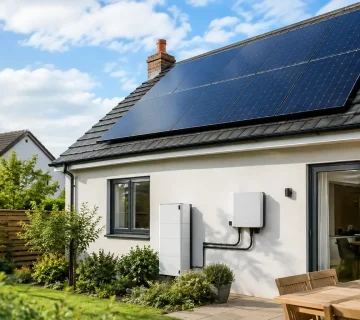
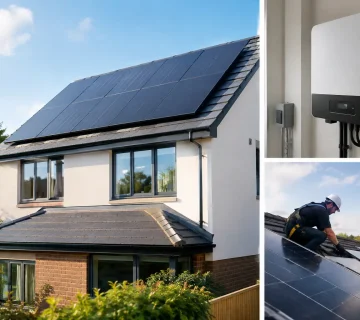
On a straightforward domestic project, their role may include fitting the inverter, connecting the AC and DC cabling, installing generation and export meters, updating the consumer unit where necessary, and configuring the monitoring platform. If a battery is included, they also determine how it will charge, discharge and respond if there is a power cut.
For commercial premises, the scope can be more involved. A warehouse, hotel or food manufacturer may have three-phase supplies, large and changing loads, refrigeration equipment, shift patterns and operational constraints. The electrical design must account for these conditions rather than treating solar as a standalone roof project.
The difference between panel fitting and electrical design
Panels collect energy, but they do not make a building solar-ready by themselves. The inverter converts the panels’ direct current into alternating current that your property can use. The electrical connection then needs to protect people, equipment and the wider network if a fault occurs.
This is why the cheapest quote is not always the best value. Two systems with the same panel count can perform very differently if one has poor cable routing, unsuitable inverter capacity, limited battery integration or no allowance for future electrical upgrades. Good electrical work is rarely the most visible part of an installation, yet it is central to reliable generation.
Why the electrical survey comes before installation
A detailed survey helps avoid surprises once work begins. Roof orientation, shading and usable space matter, but so do the condition and location of the consumer unit, the incoming supply, the route from roof to inverter and the position of a battery.
The survey should also consider how you use power. A household that is empty during the day may benefit from battery storage, timed appliance use or EV charging that absorbs surplus solar generation. A business that operates in daylight hours may use a high proportion of solar electricity immediately, which can strengthen the financial case even without a large battery.
Export capacity is another key consideration. In the UK, larger systems or systems with higher potential export may need approval from the local electricity network operator before installation. This is not just paperwork. It can influence the size of the inverter, the export limit and the final system design.
At Shard Solar, the initial property survey is used to bring these factors together before a detailed quotation is prepared. This gives customers a clearer view of what the system is designed to achieve, rather than relying on a generic estimate.
Designing a system around how you use energy
The right solar system is not automatically the one with the most panels. It depends on available roof space, annual electricity consumption, when electricity is used, future plans and the condition of the existing electrical installation.
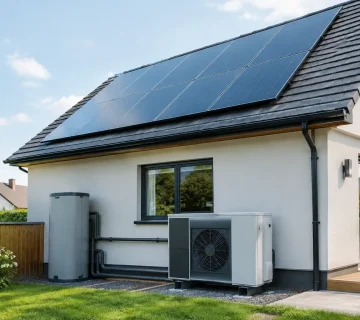
A homeowner planning to buy an electric vehicle or replace a boiler with a heat pump may sensibly allow for higher future demand. A landlord may need a design that works fairly across communal areas and separate supplies. A commercial operator may prioritise daytime load reduction, while another may value battery capacity to manage expensive periods of grid import.
Solar batteries need careful electrical planning
Battery storage can help you use more of your solar generation after sunset and reduce the electricity you need to buy during higher-cost periods. However, a battery is not automatically a whole-property backup system.
Whether it can support a property during an outage depends on the equipment selected and how the backup circuits are designed. Some systems provide power only to essential circuits, such as lighting, refrigeration, internet equipment or selected sockets. Others can support more of the building, subject to battery size and the demand of connected appliances.
A qualified solar electrician will explain these boundaries clearly. High-demand equipment, including electric showers, ovens and heat pumps, can drain a battery quickly. Designing an essential-load backup arrangement can be more practical and cost-effective than trying to power every circuit during an extended interruption.
Safe installation is about more than compliance
Solar PV systems carry electrical energy whenever there is daylight. That means safe DC cabling, suitable isolation, surge protection, correct labelling and secure connections are all essential. The AC side must also be coordinated with the property’s existing electrical infrastructure so that protective devices operate as intended.
Professional commissioning confirms that the system has been tested, connected correctly and configured to operate within the agreed parameters. It is also the point at which monitoring is set up, allowing you to see generation, consumption, battery activity and grid import over time.
For commercial customers, installation planning matters just as much as the final electrical tests. Work may need to be scheduled around opening hours, production lines, tenant access or health and safety requirements. An experienced project team will plan cable routes, access equipment and any necessary shutdowns to minimise disruption.
What happens after the system is switched on
Commissioning is the beginning of the operational phase, not the end of the relationship. Your first weeks of monitoring can reveal useful patterns: how much solar electricity is being used directly, when the battery fills, how much power is exported and whether certain appliances could be moved to sunnier hours.
For many properties, small changes produce worthwhile gains. Running a dishwasher, washing machine or EV charger during the day can increase the amount of self-generated electricity used on site. Businesses may be able to shift selected flexible loads without affecting service or production.
Monitoring also supports long-term care. A fall in generation may be caused by seasonal changes, shading, soiling, an inverter alert or a fault. Regular performance reporting, inspections and panel cleaning where appropriate can help identify issues before they become more disruptive.
Questions worth asking before you appoint an installer
You should expect clear answers about who will carry out the electrical work, what checks are included in the survey and whether the proposed system has been designed around your actual consumption. Ask how export permissions will be handled, what monitoring you will receive and what support is available after commissioning.
It is also sensible to ask about battery operation during a power cut, rather than assuming backup is included. If energy resilience is a priority, discuss the circuits you need to keep running and the realistic duration of battery support.
Finally, look beyond the installation day. Solar is a long-term asset, so warranty information, maintenance options and access to a responsive technical team all matter. The best solar electricians do not simply connect equipment. They leave you with a system you can understand, monitor and rely on as your energy needs change.
A properly planned solar installation gives your property a practical way to generate cleaner electricity for years ahead. Start with an electrical survey that asks the right questions, and the panels on the roof can become a dependable part of your wider energy plan.