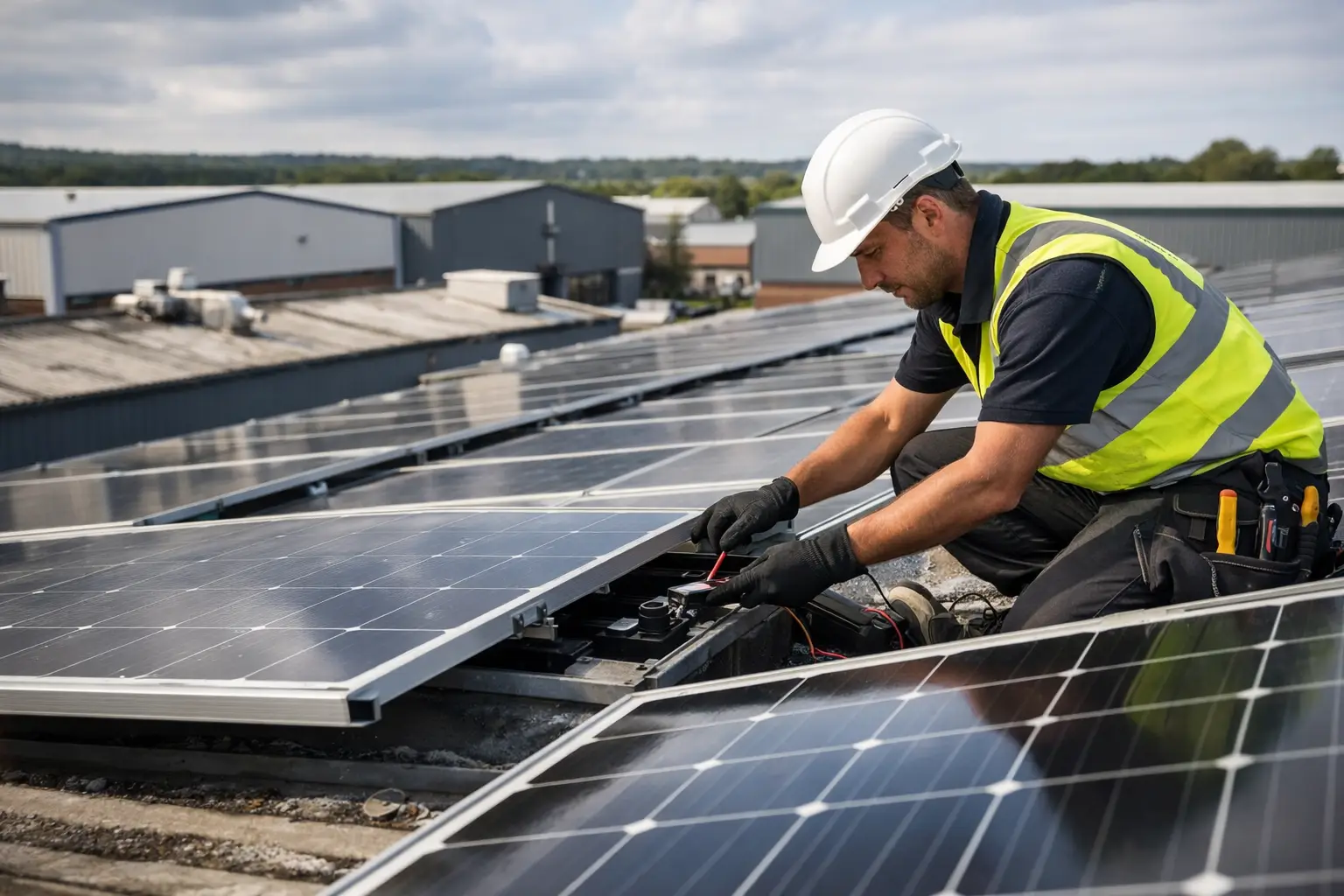
A solar system rarely stops producing electricity without giving some warning. A lower-than-expected generation figure, an inverter alert, a damaged cable or a battery that is no longer charging as it should can all point to an issue that deserves attention. Professional solar panel repair services help protect the output, safety and long-term value of your system before a small fault turns into extended lost generation.
For homeowners, that can mean less reliance on imported grid electricity and more of the clean power your roof is already capable of producing. For businesses, landlords and property managers, timely repairs can prevent avoidable operating costs, protect tenant expectations and keep performance reporting accurate.
When solar panel repair services are needed
Solar panels have no moving parts and are built to work outdoors for decades. That does not mean the wider system is maintenance-free. Panels, mounting equipment, cables, isolators, inverters, monitoring hardware and battery storage all need to work together. A fault in any one of these areas can reduce production or create a safety concern.
The clearest sign is a sustained fall in generation that cannot be explained by seasonal weather, shading or changes in electricity use. Comparing current output with the same period last year can be useful, but it is not a perfect test. Weather patterns vary, and a system may have been expanded or changed since then. Monitoring data and an on-site inspection provide a more reliable answer.
Other signs need a faster response. These include repeated inverter fault messages, tripped breakers, visible cracks in panels, loose mounting components, water ingress around electrical equipment, rodent-damaged wiring, scorching around connectors or an unexplained drop in battery performance. If you can see damaged electrical components, do not attempt to disconnect or repair them yourself. Isolate the system only if it is safe to do so and seek qualified support.
Commercial sites should also investigate unexplained changes in peak demand or lower on-site solar consumption. A system may still be generating, but an inverter, export setting, energy management control or battery issue could be preventing the building from using that energy effectively.
Common faults and what they mean
Inverter and electrical faults
The inverter converts the direct current generated by panels into usable alternating current for the building. It is one of the most important parts of a solar installation and often the first place a fault appears. A red status light, error code or loss of communication with the monitoring platform may indicate an internal problem, grid-voltage issue, failed isolator or damaged connection.
Not every inverter message means the unit has failed. Some alerts are temporary and relate to grid conditions, while others indicate a fault that needs testing. A qualified engineer can check voltage, string performance, earthing, protection devices and manufacturer fault codes before recommending repair or replacement.
Damaged panels and mounting systems
Hail, falling branches, storm debris and accidental impact can crack glass or damage a panel frame. Less obvious defects, such as hotspots or failed bypass diodes, may affect output without being visible from ground level. Specialist testing can identify whether a panel is underperforming and whether replacement is justified.
Mounting rails, clamps and roof fixings also matter. Corrosion, loose fixings or movement after severe weather can compromise both generation and roof integrity. The right repair is not simply tightening a component. It includes checking the roof interface, load paths and weatherproofing so the system remains secure.
Cable, connector and isolation issues
Cables and connectors are exposed to heat, rain, temperature changes and, occasionally, wildlife. Poor connections can cause intermittent faults, reduced output and, in serious cases, overheating. Damaged DC cables require careful attention because solar panels can continue to produce electricity whenever there is daylight.
A proper repair involves identifying the cause, replacing unsuitable or damaged components with compatible equipment, testing the circuit and confirming that the system is safe to return to service. Quick fixes with non-approved connectors or exposed cable runs can create greater problems later.
Monitoring and battery storage problems
Sometimes the solar system is healthy but the monitoring platform is not reporting correctly. Lost Wi-Fi, a router change, a failed data logger or a configuration issue can leave owners without visibility of production. Restoring monitoring is worthwhile because it makes future faults easier to spot early.
Battery concerns need the same measured approach. Reduced usable capacity, unexpected charging behaviour or communication errors may be caused by settings, firmware, a meter issue, battery temperature or the battery itself. The solution depends on the installation and the manufacturer requirements. It should be assessed as part of the whole energy system, not in isolation.
What a professional repair visit should include
Effective solar panel repair services begin with diagnosis rather than assumptions. Replacing a panel or inverter without testing can be expensive and may not resolve the underlying issue.
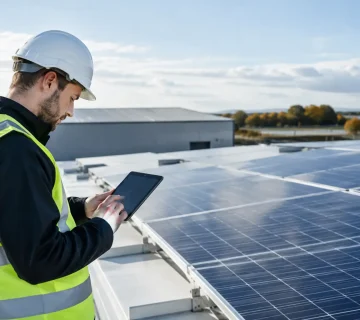
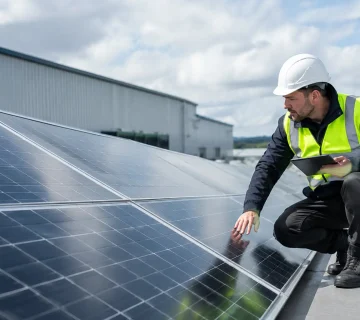
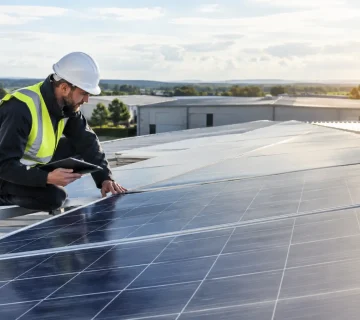
An engineer should review available monitoring data, system alerts and the site’s recent electricity pattern. They can then inspect panels, roof-mounted equipment, cabling, isolators, inverter controls and, where fitted, battery storage. Electrical testing helps identify faults that cannot be seen, while production analysis shows whether each section of the array is performing as expected.
The repair plan should explain what has failed, what work is recommended and whether a repair, replacement or monitoring adjustment is the sensible option. For example, replacing an older inverter can be worthwhile if it is unreliable or no longer supported, but a temporary communications warning may require only a settings correction. On a commercial property, repair work may also need to be scheduled around trading hours, tenant access or site safety procedures.
Once work is complete, the system should be tested and recommissioned where necessary. You should receive clear information on what was done, any parts replaced, updated warranty details and sensible next steps for monitoring performance.
Repair, replacement or maintenance?
The best option depends on the system’s age, condition and expected future value. A single damaged panel in an otherwise healthy array can often be replaced. A failed connector or isolator is usually a targeted repair. Where several panels are affected, the roof has changed, or the inverter is approaching the end of its service life, a wider upgrade may offer better value.
Compatibility is particularly relevant on older systems. Replacement panels need suitable electrical characteristics, and inverter changes must work safely with the existing array, grid connection and any battery equipment. This is why an assessment by a competent solar and electrical team matters more than selecting the cheapest available component.
Planned maintenance is often less disruptive than waiting for a failure. A periodic inspection can identify loose cables, deteriorating seals, vegetation shading, contamination and declining performance before they cause significant losses. Panel cleaning can help where dirt, bird droppings, nearby construction dust or agricultural residue is genuinely affecting output, but cleaning is not a cure for an electrical fault. It should be recommended based on site conditions rather than treated as a routine requirement for every roof.
Protecting performance between visits
You do not need to access the roof to look after a solar installation. Check the monitoring app or portal regularly and make a note of unusual changes in daily output. Keep nearby trees managed where practical, particularly if new growth is beginning to shade panels during key daylight hours. After severe weather, inspect the system from the ground for visible damage and report concerns promptly.
For commercial buildings and residential blocks, nominate someone to receive monitoring alerts and retain records of inspections, repairs and warranties. Clear records support planned maintenance, help with fault diagnosis and give future owners or facilities teams a better understanding of the system.
Avoid unqualified electrical work, pressure washing panels or walking on the array. These actions can damage seals, glass, wiring and roof coverings, while potentially affecting warranties. Solar equipment is designed for a demanding outdoor environment, but it still benefits from careful, informed handling.
Choosing a repair partner
Look for a provider with solar and electrical expertise, not just general roof access. They should be able to assess the complete system, communicate clearly about the fault and explain how the proposed work will affect generation, safety and warranty cover. For mixed solar and battery systems, it is especially helpful to work with a team that understands how generation, storage and building demand interact.
Shard Solar supports property owners and businesses with inspections, monitoring, electrical work, repairs and ongoing system care, alongside new solar and battery installations. A single accountable team can make it easier to move from fault report to tested repair without unnecessary handovers.
A well-maintained solar system should quietly do its job: generate clean electricity, reduce imported energy and give you greater control over how power is used. If its behaviour changes, acting early gives that investment the best chance to keep delivering for years to come.