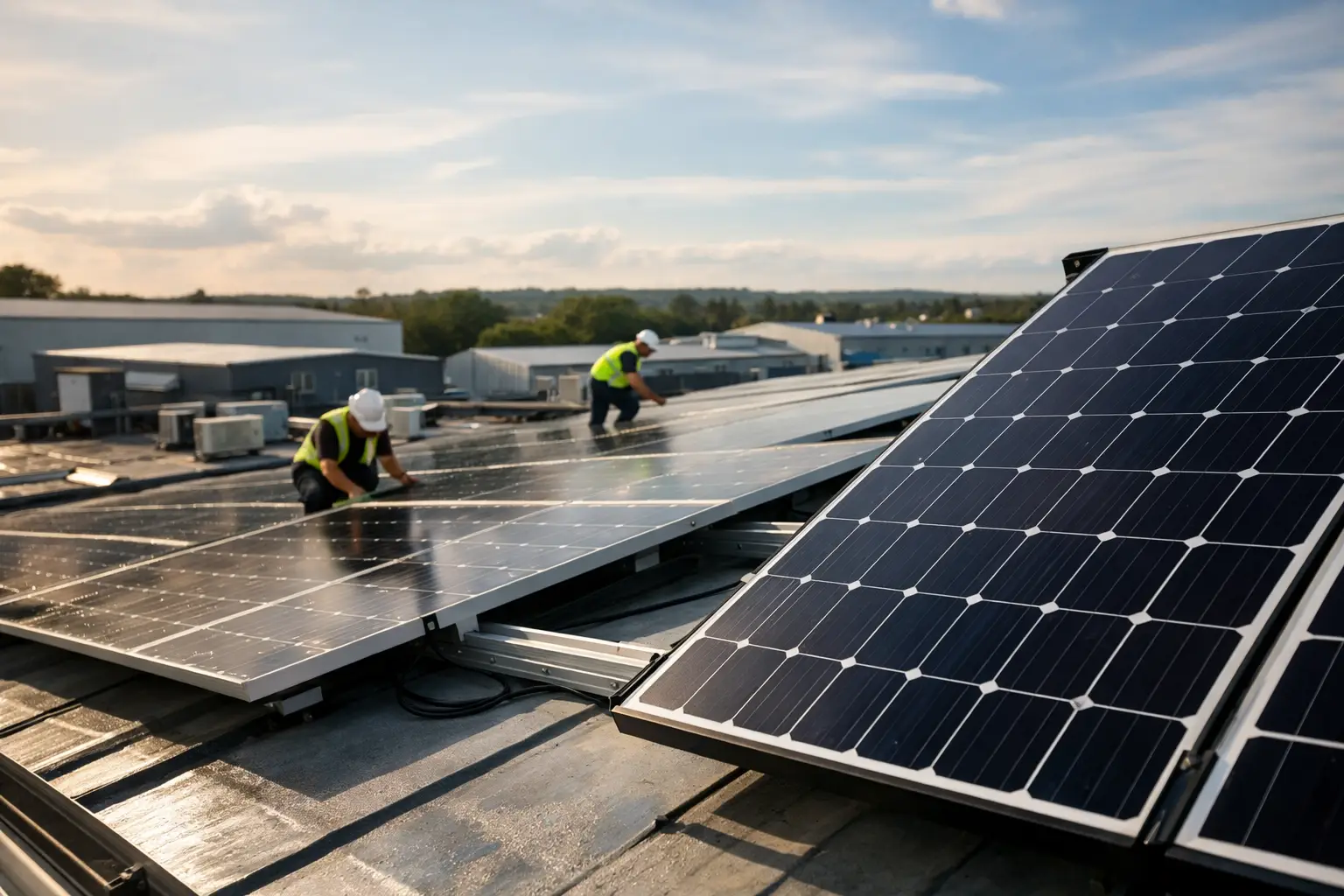
A solar system should fit the way your property uses electricity, not simply fill every available part of the roof. Knowing how to plan solar installation starts with a clearer question: when do you use power, and what do you want the system to achieve? For some homes, the priority is reducing daytime electricity purchases. For a retailer, hotel or manufacturing site, it may be cutting high operating costs while showing measurable progress towards sustainability targets.
The strongest projects combine sound electrical design with practical choices about the building, budget and future energy needs. A considered plan also prevents common disappointments, such as panels being installed on a roof that soon needs work, a battery that is too small for evening demand, or a system designed without allowing for an electric vehicle charger or heat pump.
Start with your electricity use
Your annual electricity consumption is useful, but the timing of that consumption matters just as much. Collect at least 12 months of bills where possible, then look at how demand changes during the day, week and year. Smart-meter data can offer a much more detailed picture, particularly for commercial premises with distinct trading, production or occupancy hours.
A household that is empty from morning to late afternoon will use solar differently from a home with someone working remotely. Likewise, a food manufacturer with substantial daytime machinery loads may be able to use a larger share of generation directly on site. Direct use is generally the most valuable use of solar electricity because it reduces the power you would otherwise buy from the grid.
Consider what may change over the next five to 10 years. An electric vehicle, electric heating, a heat pump, extra office space or new equipment can all increase demand. Designing with those plans in mind may mean sizing the inverter, consumer unit upgrades or battery capacity differently from day one. It does not always mean buying the biggest possible system now. It means ensuring the system can sensibly grow where that is a worthwhile option.
Assess the building before choosing equipment
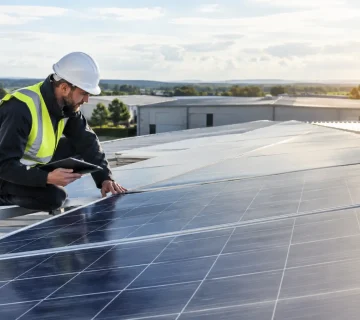
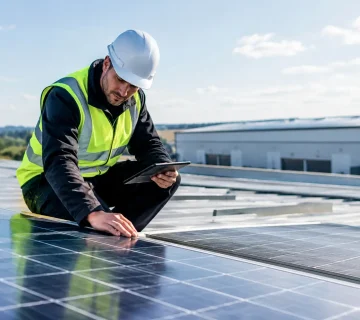
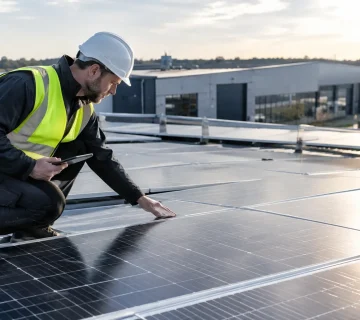
A professional property survey should establish whether the roof and electrical infrastructure are ready for solar. This is more than a quick look at the roof from ground level. The survey considers roof orientation, pitch, usable area, shading, roof condition and safe access for installation and future maintenance.
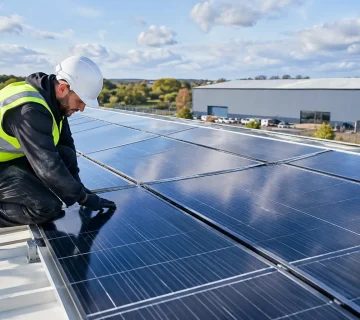
South-facing roofs often produce the highest annual generation, but east and west-facing arrays can be very effective. They spread production across the morning and afternoon, which can suit properties with electricity use outside the middle of the day. Flat roofs offer flexibility in panel orientation, although the spacing between rows must prevent one row shading another.
Shade deserves careful attention. A chimney, dormer, neighbouring building or mature tree can affect output at particular times of day. Modern panel layouts and optimised designs can reduce the impact in some circumstances, but they do not make heavy shading disappear. A realistic generation estimate is more useful than an overly optimistic one.
Roof condition is equally important. If replacement or major repairs are likely within a few years, carrying out that work before installation is normally the sensible route. Removing and refitting panels later adds cost and disruption. On commercial buildings, structural checks and roof warranties may also need to be reviewed before a final design is agreed.
Check the electrical side early
Solar panels are only one part of the system. The inverter converts the panels’ direct-current electricity into usable alternating current, while the consumer unit, cabling, earthing and grid connection all need to meet current requirements. Older properties may require electrical improvements before solar can be commissioned safely.
For larger systems, especially at commercial sites, the local electricity network operator may need to confirm export capacity or specify connection works. This should be addressed during planning rather than treated as an administrative detail after the design is complete. It can influence system size, export arrangements and project timescales.
Decide whether battery storage suits your goals
Solar batteries store surplus generation for use later, often in the evening when households return home and electricity demand rises. They can also help commercial properties reduce grid imports at more expensive times, depending on their tariff and load profile.
A battery is not automatically the right choice for every project. If a building consumes most of its solar power while panels are producing, battery storage may offer less immediate value than it would for a property with strong evening use. Equally, a small battery may cover a limited part of overnight demand, while a larger unit can cost more without being fully used each day.
Think about the intended outcome. Is the aim to increase self-consumption, take advantage of time-of-use tariffs, support an EV charger, or retain selected power during an outage? Not every battery system provides backup power automatically. Backup capability requires the correct design, controls and separation of essential circuits. This distinction should be clear in the quotation, particularly where continuity of power is important.
Build a budget around value, not panel count
The lowest quotation is not always the lowest-cost decision over the life of the system. Compare proposed generation, expected self-consumption, equipment specification, workmanship, warranty terms, monitoring and the work included to bring the electrical installation up to standard. A design with fewer panels in the right places can sometimes outperform a larger poorly considered array.
For commercial decision-makers, it is helpful to assess solar against current electricity costs, anticipated demand growth, operating hours and carbon-reduction objectives. For landlords and developers, the picture may include tenant appeal, building performance and the practical responsibility for energy bills. The payback period will vary because tariffs, export payments, shading, consumption patterns and system costs vary.
Ask for a quotation that explains the assumptions behind its figures. A clear proposal should identify system size, estimated annual production, roof layout, battery capacity where included, electrical works, permissions or notifications, programme and warranty coverage. It should also state what could change following further checks.
Understand permissions, approvals and programme
Many domestic rooftop solar installations in England are permitted development, but this is not universal. Listed buildings, conservation areas, unusual building forms and ground-mounted systems can have different requirements. Commercial premises may also need more detailed planning review, landlord consent or approval from a managing agent.
Grid notifications and approvals are separate from planning permission. The right installer will manage the relevant process and explain what is needed for your site. For multi-occupancy buildings, leased premises and operational businesses, allow time for stakeholder approvals, access arrangements and any required surveys.
Installation itself can be relatively quick once design and approvals are in place, but the overall project should include time for survey, engineering, procurement, scaffolding, electrical works, commissioning and handover. For a business, scheduling around deliveries, customers, production or hotel guests can minimise disruption. A well-managed programme treats the property as an active place, not just a roof.
How to plan solar installation with a clear brief
Before asking for proposals, set out what success looks like. Include your recent electricity use, upcoming changes, preferred budget range, building information and any concern about roof works, access or disruption. Tell the installer whether battery storage, EV charging, backup power or future expansion is part of the plan.
Then use the survey to test that brief against the reality of the property. A capable installer should explain trade-offs plainly: whether more panels are worthwhile, whether an east-west layout better matches demand, whether the roof should be repaired first, and whether a battery is likely to earn its place in the system.
At Shard Solar, this process begins with a free property survey and a detailed quotation designed to make the next decision straightforward. Once the system is installed, commissioning and monitoring matter just as much as the physical installation. You should know how to view performance, what the warranties cover and who to contact if output changes.
Solar works best when it becomes part of a longer-term energy plan rather than a one-off purchase. Start with the building and the electricity you use now, leave room for the changes ahead, and choose a design that gives you dependable clean power for years to come.